


About the Blog
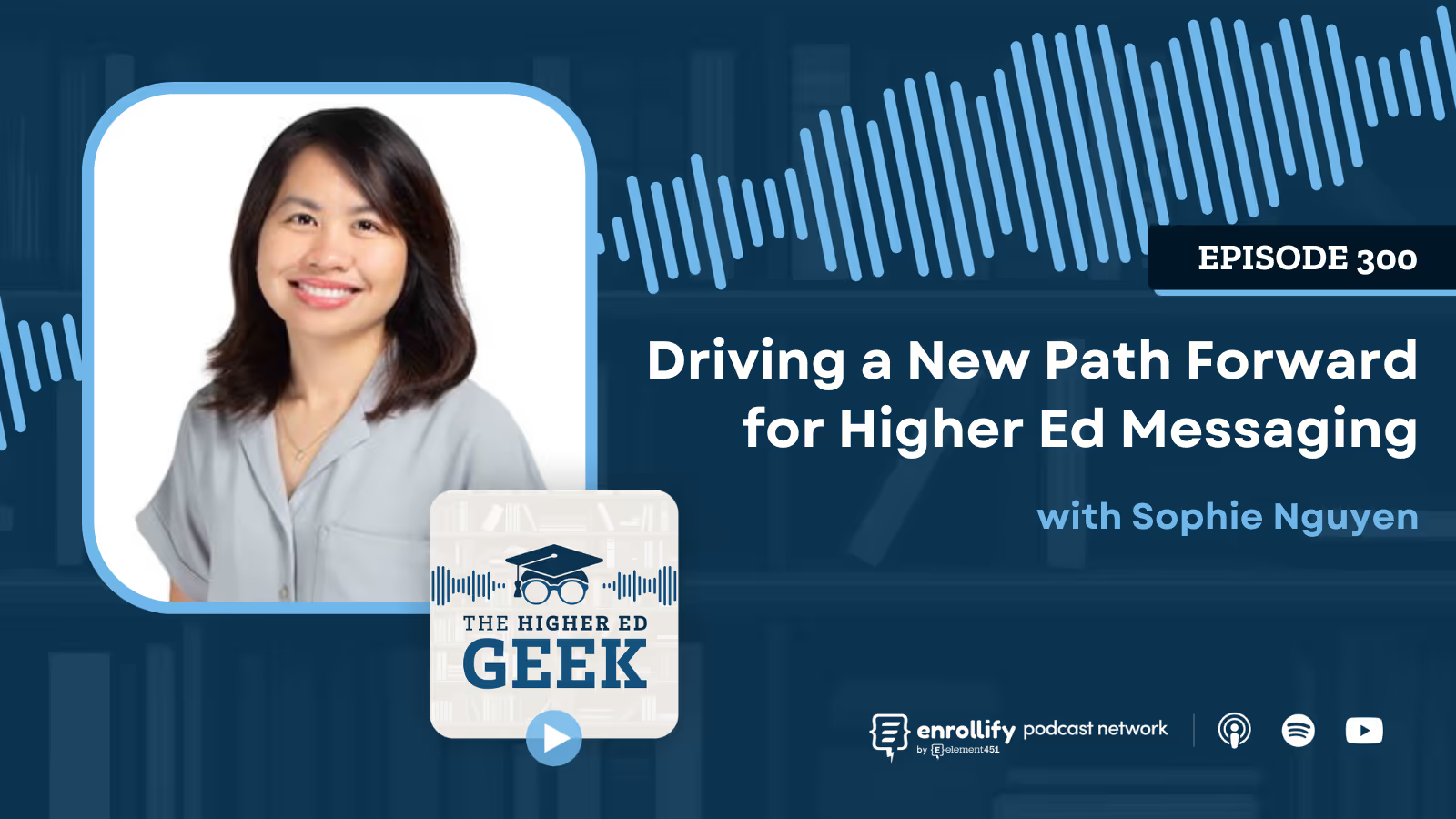
For episode #300 of The Higher Ed Geek Podcast, host Dustin Ramsdell marked an incredible milestone—seven years and 300 conversations exploring the evolving world of higher education and EdTech. To celebrate, he welcomed Sophie Nguyen, Senior Policy Manager at New America, to unpack the findings from the organization’s newly released Varying Degrees 2025 report—a data-rich, reality-checking look at how Americans perceive the value, purpose, and future of higher ed today.
At a time when headlines often emphasize division, distrust, and declining confidence, Varying Degrees offers something rare: a nuanced, evidence-based view that both confirms and challenges assumptions about public opinion.
What Is the Varying Degrees Report?
Since 2017, New America’s Varying Degrees survey has tracked how Americans view higher education—its accessibility, affordability, and role in society. Conducted annually, the survey compiles opinions from thousands of adults nationwide, creating a nine-year timeline of shifting sentiment.
Nguyen explained that the 2025 edition revisits the core question: What do people really believe higher education is for? This year’s data arrives at a pivotal moment—amid political debates, affordability crises, and a shifting public narrative about higher education’s worth.
Despite these pressures, Nguyen said the survey reveals a strong, enduring belief in higher education’s value. While confidence in institutions has dipped, more than 70% of Americans still say college is worth the investment and essential to personal and societal success.
The Surprising Common Ground
One of Nguyen’s biggest takeaways? Americans agree on far more than we think.
Although partisanship dominates media coverage, Varying Degrees 2025 found notable alignment between Democrats and Republicans on foundational issues:
- Both believe higher ed should teach critical thinking, communication, and problem-solving, not just technical skills.
- Both acknowledge the high cost of college as a major concern.
- And both see higher education as a public good—one that benefits individuals and strengthens communities.
Nguyen called this “a reminder that the common ground is still there—we’ve just lost sight of it.”
The Cost Conversation Isn’t New—But It’s Urgent
The affordability crisis remains top of mind. While Americans overwhelmingly support greater federal and state investment to lower costs, Nguyen noted that substantial, sustainable action has been slow to materialize. She pointed to the need for coordinated reform across federal, state, and institutional levels—from rethinking financial aid policies to addressing how colleges communicate their value.
Affordability, she said, is “at a breaking point—but it’s been at a breaking point for years.”
A Call for a Stronger, Unified Narrative
Beyond policy, Nguyen issued a challenge to institutional leaders: Tell a better story about higher education.
Despite higher ed’s transformative impact, the dominant narrative has become one of elitism and exclusion—often shaped by a handful of high-profile institutions. “The sector hasn’t provided a unifying narrative to defend itself,” Nguyen said. “Colleges haven’t done a good job of connecting with the public, even though their work benefits entire communities.”
She hopes reports like Varying Degrees will help colleges reclaim the conversation by grounding their messaging in facts, transparency, and shared purpose.
From Data to Action
For Nguyen, the findings are not just numbers—they’re a blueprint for rebuilding trust and focus. Institutional leaders can use this data to:
- Inform messaging and marketing strategies grounded in real public sentiment.
- Identify opportunities for bipartisan support in policy advocacy.
- Reframe “ROI” narratives around both personal growth and public good.
- Build communications campaigns that highlight accessibility, impact, and contribution to local economies.
As Ramsdell summarized, “It’s about going from defense to offense—using insights like these to lead change instead of reacting to it.”
Driving Change Through Student Connection
Closing the episode, Nguyen offered advice for anyone working to drive change in education: Start with students.
“College was transformative for me,” she said. “If you want to make meaningful change, you have to know your students—understand their day-to-day realities, involve them in the process, and provide support that meets them where they are.”
Ramsdell agreed: “Whether it’s policy or practice, students have to stay at the center of the conversation. Reports like this one remind us why.”
Key Takeaways
- Americans still believe in higher ed’s value, even amid criticism.
- Common ground exists across political lines on education’s purpose and priorities.
- Affordability remains the top concern, demanding cross-level action.
- Higher ed must reclaim its narrative and communicate its societal impact.
- Change starts with listening to students—and building from their lived experiences.

.svg)
.svg)
