


About the Blog
Most higher ed institutions are still asking whether to adopt AI. Vanderbilt University has already answered that question—and is now showing the rest of us how.
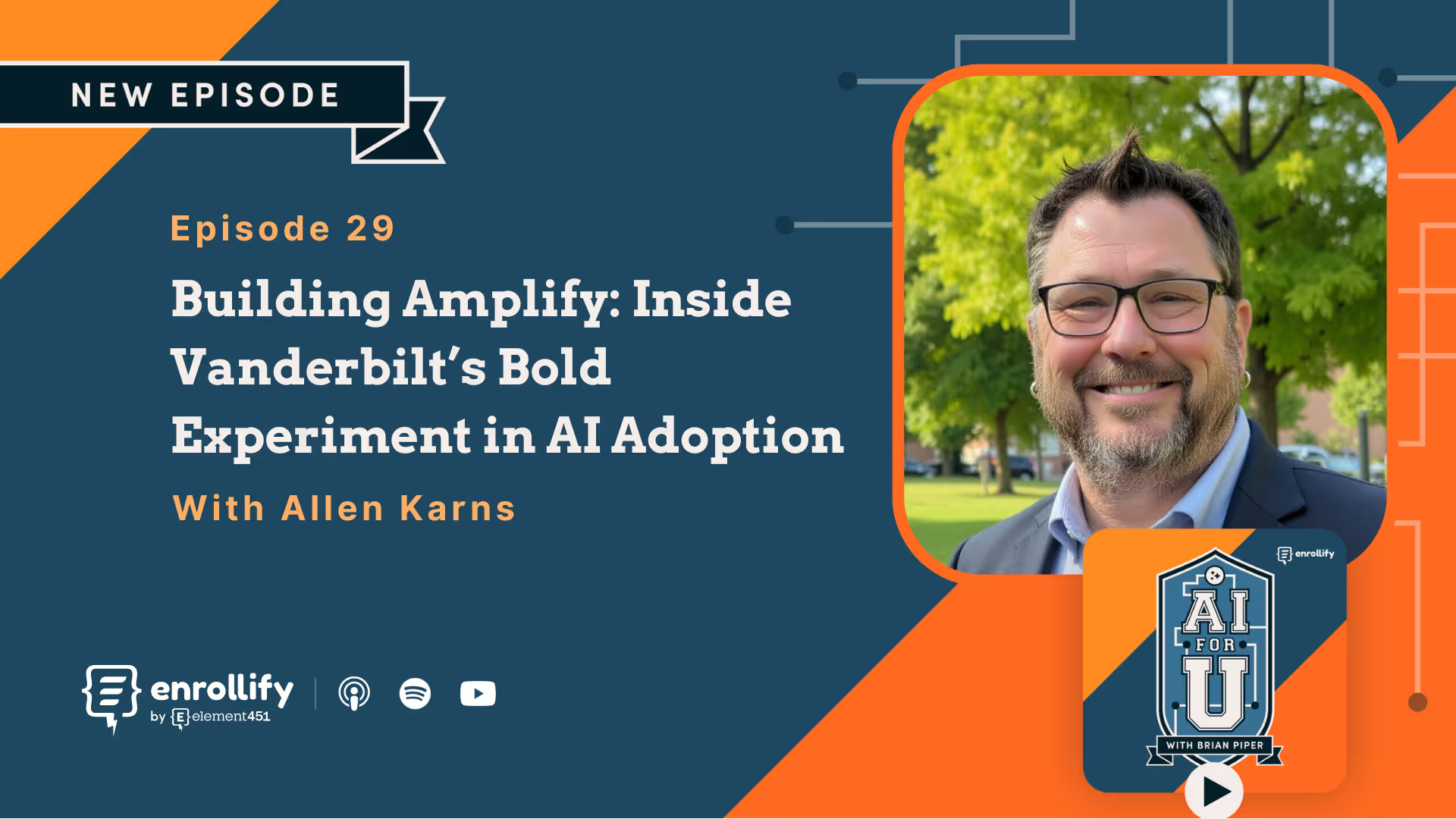
In a recent episode of AI for U, host Brian Piper sits down with Allen Karns, Chief AI and Technology Officer at Vanderbilt’s Center for Generative AI, to explore how the university built Amplify, its own open-source AI platform. The conversation reveals not just a technical achievement, but a cultural shift: one grounded in experimentation, collaboration, and curiosity.
What Is Amplify?
Amplify is Vanderbilt’s homegrown AI platform, designed to provide broad access to generative AI tools across the university. Unlike a single vendor solution, Amplify sits in Vanderbilt’s private AWS cloud and can host models from any provider—OpenAI, Anthropic, open-source LLMs, and more.
The payoff is flexibility and cost efficiency. Instead of purchasing thousands of licenses for a commercial solution, Vanderbilt pays per-token fees through APIs. While maintaining Amplify requires staff resources, the ability to control integrations and apply existing security standards makes it a net win.
Even more importantly, Amplify connects directly with internal systems, creating hooks for business processes and academic workflows. From research support to admissions to faculty course design, the platform is already reshaping how the university operates.
Why Build In-House?
Allen explains that Vanderbilt considered licensing from major providers but quickly realized the limitations:
- Scalability: Licensing capped access, while interest across campus far exceeded what purchased seats could cover.
- Customization: Commercial products couldn’t easily integrate with Vanderbilt’s existing systems.
- Security: Running inside Vanderbilt’s private cloud ensures compliance with institutional standards.
By building internally, Vanderbilt retained control, avoided spiraling licensing costs, and unlocked opportunities for true process improvement.
Leadership Buy-In Makes the Difference
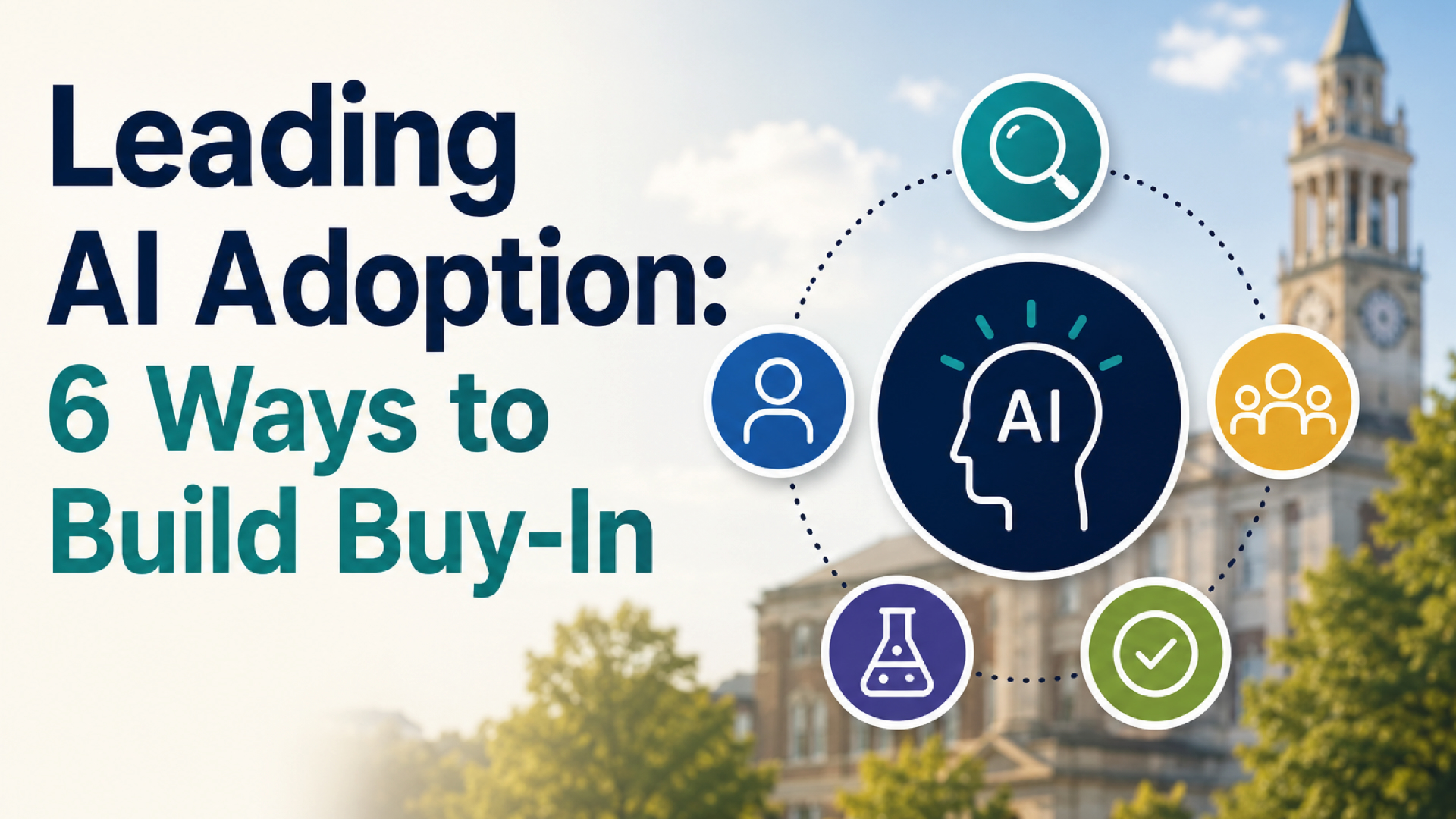
One theme emerges clearly: Vanderbilt didn’t succeed with Amplify just because of technical expertise. It succeeded because leadership leaned in early.
Chancellor Daniel Diermeier and faculty leaders like Dr. Jesse Spencer-Smith and Dr. Jules White understood AI’s transformative potential and backed Allen’s team to experiment. That support created a culture of collaboration across administration, faculty, and staff.
Instead of resistance, Allen found open arms:
- Faculty asked how to integrate AI into courses.
- Administrators asked how to streamline operations.
- Staff brought forward ideas for solving everyday frustrations.
The result is a growing ecosystem of AI engagement rather than isolated pilots.
Hiring for Curiosity, Not Just Credentials
When building his team, Allen didn’t just look for technical résumés. He looked for curiosity.
Some of Amplify’s most impactful team members weren’t traditional CS majors but had the mindset to experiment, iterate, and learn. This approach allowed the team to stay nimble in a rapidly changing landscape.
As Allen puts it: “We were just really curious people and willing to try.” That willingness has fueled Vanderbilt’s ability to innovate quickly and keep up with the pace of AI development.
Practical Use Cases That Stick
Amplify isn’t just a research toy—it’s producing tangible value. Some of the most impactful use cases are surprisingly simple:
- PowerPoint generator: Automatically builds Vanderbilt-branded slides from a source document.
- Email and calendar summaries: Nightly AI-generated recaps of unread messages and upcoming meetings.
- Custom workflow functions: Hooks that pull data from databases or sync across Outlook and other platforms.
- Research transitions: Helping faculty migrate code between languages or platforms.
These “small but mighty” use cases demonstrate how AI can remove friction from everyday work. They also create momentum for bigger projects, since staff and faculty experience firsthand how Amplify makes their lives easier.
From Pilots to Programs: Building Momentum
One standout example of Vanderbilt’s approach is the Staff Fellows Program.
After working with faculty for a year, Allen’s team opened applications for staff-driven AI projects. They expected modest interest. Instead, they received 180 applications full of creative, practical ideas for improving campus processes.
The program pairs staff fellows with students and Amplify developers, turning AI from an abstract buzzword into a collaborative problem-solving tool. This structure builds capacity, spreads literacy, and accelerates adoption across campus.
Lessons for Other Institutions
Allen’s advice to higher ed leaders is refreshingly straightforward: just start.
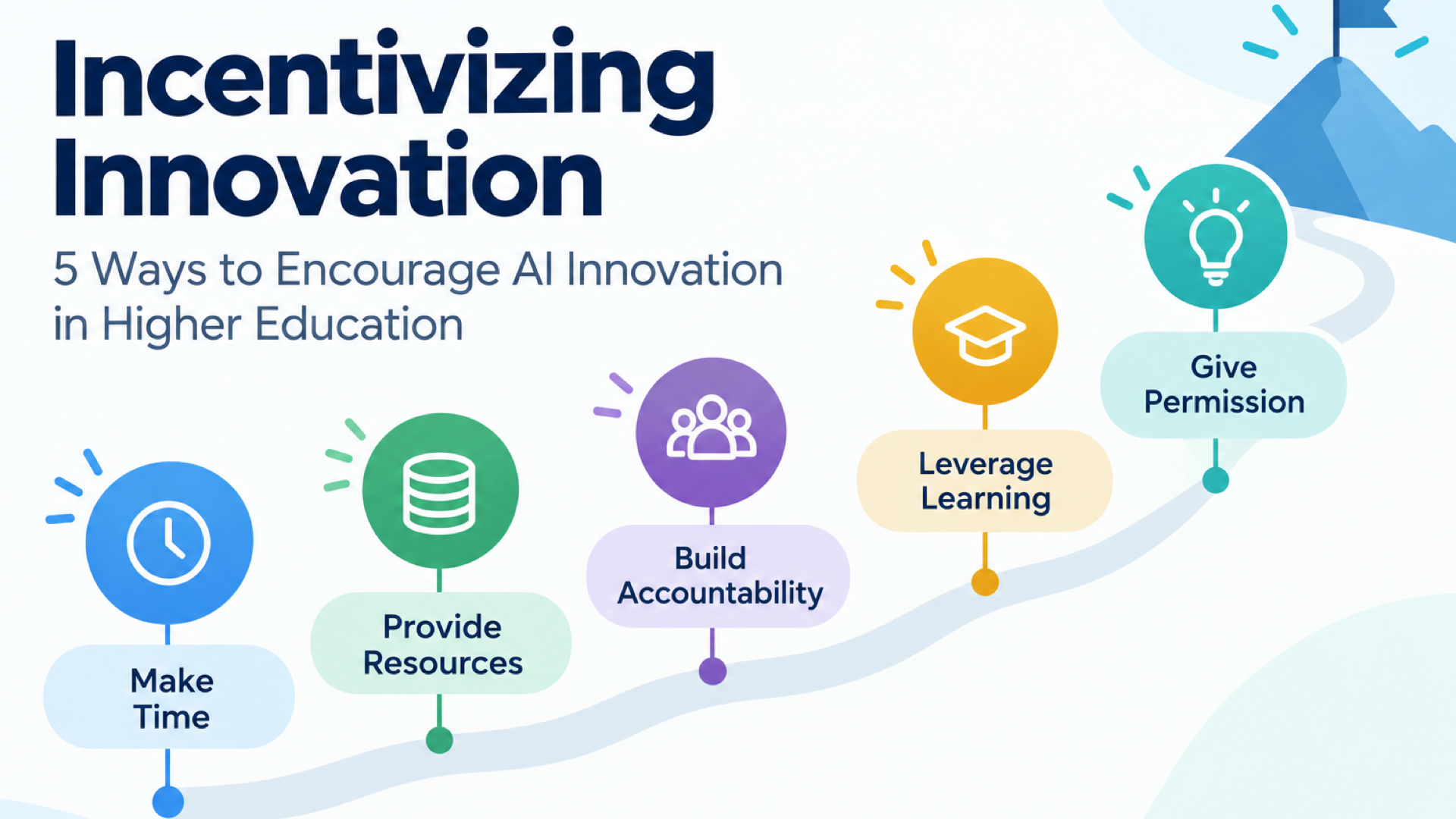
- Don’t wait for perfect consensus. Pick a small project and test it.
- Be comfortable with discomfort—the landscape will keep shifting.
- Choose tools based on what they can do today, not what they can’t.
- Hire for curiosity and openness, not just technical skills.
The biggest mistake? Waiting. As Allen puts it, even if AI models froze today, “there’s 10 years of work to be done” applying current capabilities.
The Impact on Admissions and Marketing
So what does this mean for enrollment leaders and marketers?
Allen encourages professionals to stop focusing on model deficiencies and start leveraging strengths. For marketers, that means:
- Using AI to draft communications at scale—then refining for voice and nuance.
- Building reusable brand voice instructions to ensure consistency.
- Automating repetitive processes through tools like Zapier or custom workflows.
For admissions teams, the opportunity lies in streamlining applicant communications, personalizing follow-up, and using AI assistants to surface insights from complex data sets.
The takeaway: focus less on the models themselves and more on the workflows they can accelerate.
Looking Ahead
Where does Allen see AI heading next? He predicts a move away from generic chat toward deep integrations with enterprise systems:
- Help desk platforms with AI support baked in.
- Email systems with AI-powered summaries and prioritization.
- Customized assistants tied to specific institutional workflows.
This shift mirrors what employees already experience in their personal lives. As consumer tools get smarter, staff and students will expect the same in their professional and academic environments.
For institutions, that means the time to experiment isn’t next year—it’s now.
Final Thoughts
Vanderbilt’s story is less about technology and more about mindset. By choosing to build Amplify in-house, the university signaled that AI isn’t just a tool to purchase; it’s a capability to cultivate.
Through leadership support, curiosity-driven hiring, and a culture of collaboration, Vanderbilt is proving what’s possible when higher ed moves from hesitation to experimentation.
Allen’s advice is worth repeating: start small, stay curious, and be willing to feel uncomfortable. Because in a world where AI is moving faster than any of us can predict, the institutions that act—however imperfectly—are the ones that will shape the future.

.svg)
.svg)
