


About the Blog
When “Just Post It” Becomes a Strategy
A viral meme. A student with a pumpkin. A campus ghost sighting.
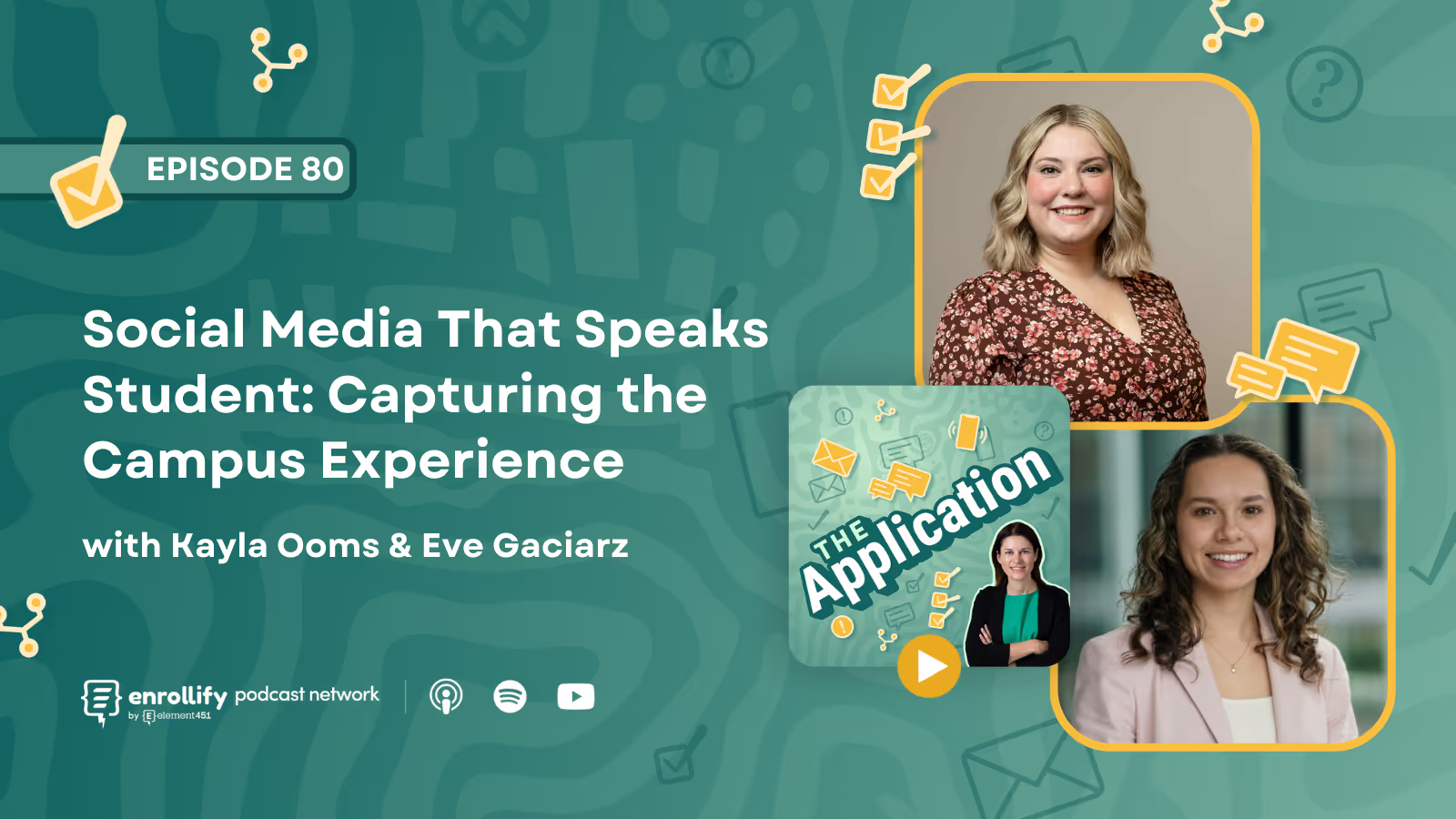
On this episode of The Application, host Allison Turcio sits down with two higher ed social media pros—Eve Gaciarz from Yale School of Management and Kayla Ooms from Purdue University Northwest—to talk about the heart of higher ed storytelling: authenticity.
For Eve and Kayla, authenticity doesn’t mean polished perfection—it means showing up online as your real campus self, messy moments and all. From spontaneous posts about solar eclipses to memes that break the Ivy League mold, these two have mastered the art of connecting with students where they are.
Key Takeaways
1. Authenticity Is About Individuality
Both guests agreed: “authentic” has become a buzzword, but it still matters—when it’s real.
For Eve, that means spotlighting the cafeteria staff who greet students each morning just as much as the faculty who publish in Harvard Business Review. It’s about showing the full ecosystem of a university, not just its brochure-ready side.
For Kayla, authenticity means walking campus, chatting with students, and sharing those unplanned moments—like a fall tree transformation or a spontaneous campus event—that make Purdue Northwest feel alive online.
“Social media isn’t a sit-at-your-desk kind of job,” said Turcio. “It’s a full-contact sport.”
2. You Can’t Be Authentic Without Being Present
Both managers emphasized the same truth: you’ve got to leave your office.
Kayla calls herself a “chronically online extrovert,” balancing real-life walks across campus with real-time monitoring of trends and student chatter. Eve takes a similar approach at Yale—blending the institution’s professional tone with a dose of humor and humanity that makes global audiences feel connected.
3. Student Creators Are the Secret Ingredient
Eve manages a small team of paid student content creators—photographers, ambassadors, and an Instagram Stories coordinator—who serve as her “boots on the ground.” Whether it’s a spontaneous meme, a viral unboxing video, or a student dressed as a ghost on Halloween, this content keeps Yale’s channels fresh and real.
Kayla, who manages social solo, leans on partnerships across campus—especially with Student Life—to source authentic photos and stories. Those student perspectives add the raw, unfiltered energy that prospective students trust most.
4. User-Generated Content Builds Trust (and Engagement)
One of Eve’s most viral posts came from a simple student story tag: an admitted student in France filming their Yale acceptance box.
500,000 views later, it was clear—UGC doesn’t have to be complicated. It just has to be human.
Her advice? Practice “social listening.” Monitor tags, comments, and mentions to find gold hiding in your feeds. And when you find something good? Ask permission and reshare with credit—it builds community and loyalty.
5. Relationships Drive Results
For both guests, alignment between social media and admissions isn’t optional—it’s essential.
Kayla’s approach: Make it cross-functional. She regularly syncs with the admissions team to ensure her posts align with recruitment goals and calendar milestones.
The best content, she said, isn’t just fun—it moves students closer to enrollment by helping them imagine themselves on campus.
Campus Traditions > Polished Campaigns
When Kayla described Purdue Northwest’s “Pumpkin Week”—complete with pumpkin slingshots off the campus garage—Allison laughed: “If Yale can post ghosts, you can post pumpkins.”
That’s the heart of this episode: don’t overthink your brand. Higher ed institutions have something most brands would kill for—real communities filled with quirky, passionate, inspiring people. Social media should reflect that.


.svg)
.svg)
