


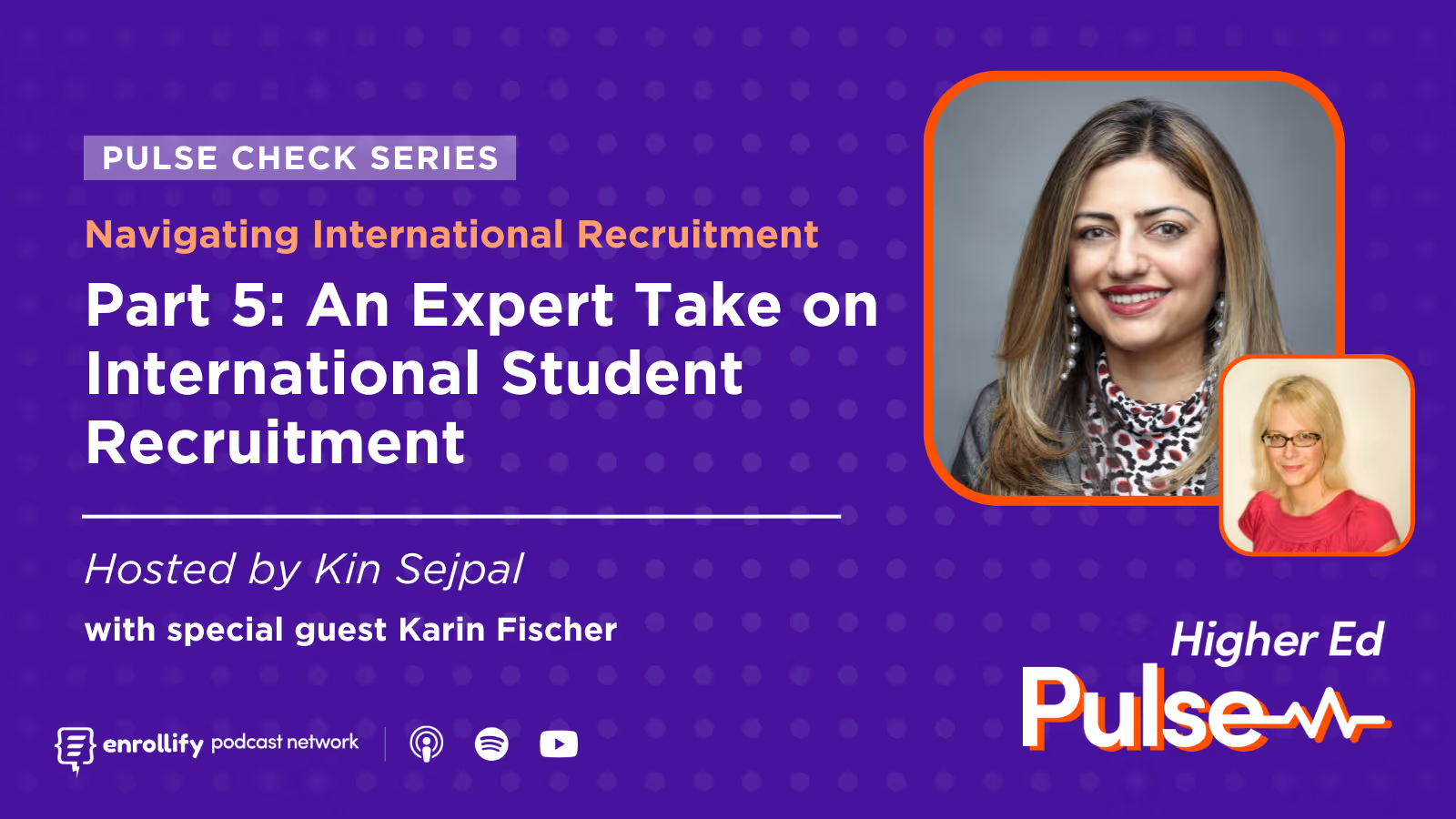




About the Episode
Karin Fischer, a senior writer on international education at The Chronicle of Higher Education, offers an expert perspective on the challenges and solutions for recruiting international students to American higher education institutions.
Key Takeaways
- Shift in International Student Demographics
Post-pandemic recovery has seen a rise in graduate students from India and Sub-Saharan Africa, particularly in STEM and business fields, while undergraduate enrollment from China has declined. - Adaptation to Student Needs
Institutions must reevaluate student support systems, including career services tailored to visa regulations and financial support for students with limited resources. - Global Competition in Higher Education
The U.S. faces increased competition from countries like Canada, Australia, and the UK. Strategic communication and showcasing the value of American education are critical. - Career Outcomes Drive ROI Perception
International students increasingly prioritize education that provides strong career pathways, including internships and work opportunities through OPT and STEM extensions.
How Has International Recruitment Changed Post-Pandemic?
The pandemic disrupted global student mobility, prompting a reassessment of strategies for attracting international students. While overall numbers have rebounded to pre-pandemic levels, the composition has shifted:
- Growth in graduate students from India and Sub-Saharan Africa.
- A decline in undergraduate enrollment, especially from China.
What Are the Unique Needs of Today’s International Students?
- Career Preparation:
With a strong focus on ROI, students value career services that provide:- Guidance on navigating visa requirements.
- Cultural training for U.S. workplace norms.
- Support for securing internships and employment opportunities.
- Financial Support:
Many students rely on loans, making affordability and financial planning critical. Emergency financial resources and campus jobs can provide essential support. - Cultural and Academic Integration:
Graduate students living off-campus may feel disconnected. Intentional community-building initiatives can help foster a sense of belonging.
What Can Institutions Do to Improve Recruitment Efforts?
- Collaborate with International Partners:
Form partnerships with local institutions and agents to enhance recruitment efforts and provide more accessible pathways for students. - Streamline Visa Support:
Institutions can help reduce barriers by offering resources and expert guidance on visa applications and financial requirements. - Invest in Outcomes-Focused Messaging:
Highlight alumni success stories, internship opportunities, and pathways to employment in promotional materials to appeal to career-driven students.
What Barriers Exist for U.S. Institutions?
- Visa denials and policy unpredictability deter prospective students from choosing the U.S.
- Limited financial aid options for international students restrict access to lower-income demographics.
- Small recruitment teams often struggle to meet global demand and adapt to changing trends.
How Can Higher Education Engage in Global Issues?
Karin emphasized the need for higher education institutions to act as facilitators of dialogue on global issues. While engaging with these topics can be complex, international education plays a crucial role in fostering collaboration, understanding, and innovative solutions to pressing challenges like pandemics, economic development, and climate change.





.svg)
.svg)
