






About the Episode
Got a story to tell? An innovative idea to share? Fill out our guest nomination form and let's chat!
About the Episode:
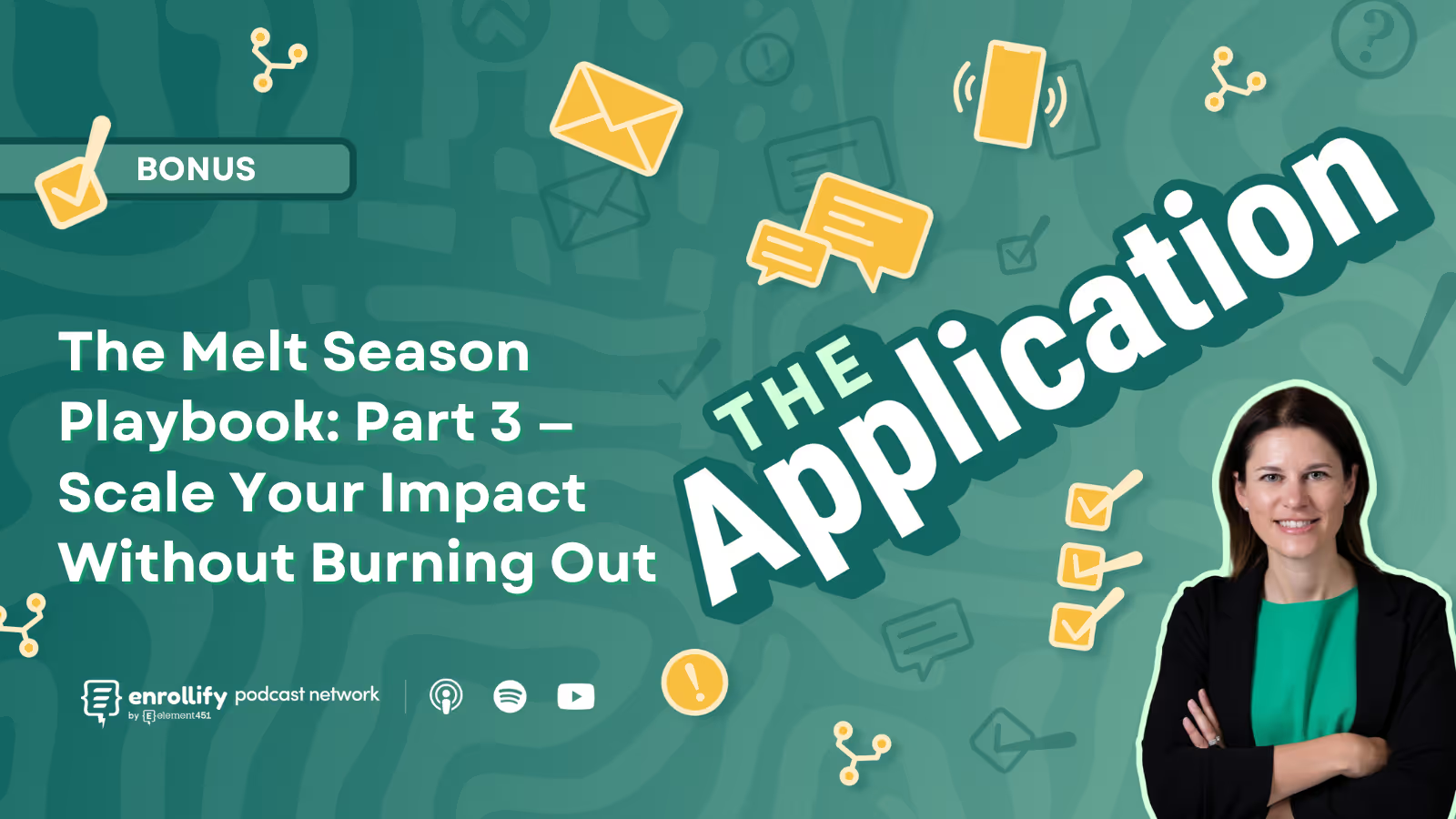
Melt season is fueled by mission, but often fueled by too much hustle. In this this installment of The Melt Season Playbook, Allison tackles a common challenge: how to support every student without running your team into the ground. The answer? Using AI to scale what’s already working.
From turning counselor notes into personalized follow-ups, to helping your team embrace low-lift AI strategies, this episode is a toolkit for doing more good without burning out.
Key “How Tos” You’ll Hear in This Episode:
- Turn counselor notes into actionable, personalized messages in minutes
- Use AI to shape content strategy around student ambassador stories
- Help your team adopt AI with low-pressure prompts and shared success
- Prioritize human connection by letting AI do the organizing and summarizing
- Build an internal culture of “working smarter” during high-stress seasons
Don’t miss this bite-sized episode! Subscribe now.
Episode Summary
How Can AI Help Higher Ed Marketers During Melt Season?
AI tools like ChatGPT offer more than just speed—they can be creative brainstorming partners. Alison kicks off the episode by showing how AI can help enrollment and marketing pros quickly ideate message themes. For example, you can prompt AI with questions like “What concerns might a commuter student have in July?” and receive thoughtful, student-centered content starters. This means no more blank screens. Instead, you begin your outreach with empathy-forward ideas that make students feel seen and supported.
Once you’ve drafted messages, you can take it a step further by segmenting them. Ask AI to help you reframe your message for different groups—first-gen commuters, pre-med commuters, or high-achieving students living off-campus. The result? Messaging that feels personal without multiplying your workload.
Why Robotic Reminders Fail—and What to Do Instead
We’ve all seen those text messages: “Reminder: Fill out X form.” But Alison makes the case that melt-risk students aren’t motivated by impersonal nudges. Instead, they respond to warmth and connection. Instead of relying on default language, AI can help enrollment teams pressure-test their texts. By prompting tools like ChatGPT with, “Make this text warmer but still urgent,” you can transform reminders into relationship-builders.
AI’s value here is in tone calibration. Think of it as a communication coach that helps refine how your messages land. It strips out robotic phrasing, adds a touch of reassurance, and keeps the call-to-action clear. The result is messaging that encourages rather than nags, and that creates an emotional bridge with the student during a vulnerable time.
What About Parents? Here's Why You Can’t Forget Them
As institutions shift communications to student email accounts, it’s easy to leave parents behind. But as Alison points out, parents are still often the ones reading every message—especially for first-generation families. That’s where AI can help again. Try prompts like, “What questions might a parent of a first-gen student have about financial aid in July?” Suddenly, you have a working list of concerns that can inform emails, call scripts, or even short videos.
This approach means you're not necessarily creating more content—you’re creating smarter content. And with tools that help you think through what parents are worried about, you’re better equipped to communicate with empathy, clarity, and confidence during a stressful period for families.
How to Turn Your Checklist Into a Connection Opportunity
Checklists are essential—but they’re not excuses for cold communication. That’s Alison’s message as she moves into the final strategy of the episode. Institutions often reuse the same housing or orientation emails year after year. Why not ask AI for a second opinion? Drop your message into ChatGPT and prompt: “Does this sound warm and welcoming to a student who might feel overwhelmed?” AI might suggest a friendlier opening, less transactional phrasing, or more reassuring tone.
This small but powerful step ensures your communications don't sound like tasks—they sound like invitations. You're signaling care, not just compliance. And when students feel understood, they're more likely to stay engaged and enrolled.
Connect With Our Host:
Allison Turcio
https://www.linkedin.com/in/allisonturcio/
https://twitter.com/allisonturcio
About The Enrollify Podcast Network: The Application with Allison Turcio is a part of the Enrollify Podcast Network. If you like this podcast, chances are you’ll like other Enrollify shows, too!
Some of our favorites include Mission Admissions.
Enrollify is made possible by Element451 — the next-generation AI student engagement platform helping institutions create meaningful and personalized interactions with students. Learn more at element451.com.
Attend the 2025 Engage Summit!
The Engage Summit is the premier conference for forward-thinking leaders and practitioners dedicated to exploring the transformative power of AI in education.
Explore the strategies and tools to step into the next generation of student engagement, supercharged by AI. You'll leave ready to deliver the most personalized digital engagement experience every step of the way.
👉🏻 Register now to secure your spot in Charlotte, NC, on June 24-25, 2025!




.svg)
.svg)
