






About the Episode
Got a story to tell? An innovative idea to share? Fill out our guest nomination form and let's chat!
About the Episode:
95.9% of website home pages have accessibility failures. That’s because accessibility isn’t part of the design process.
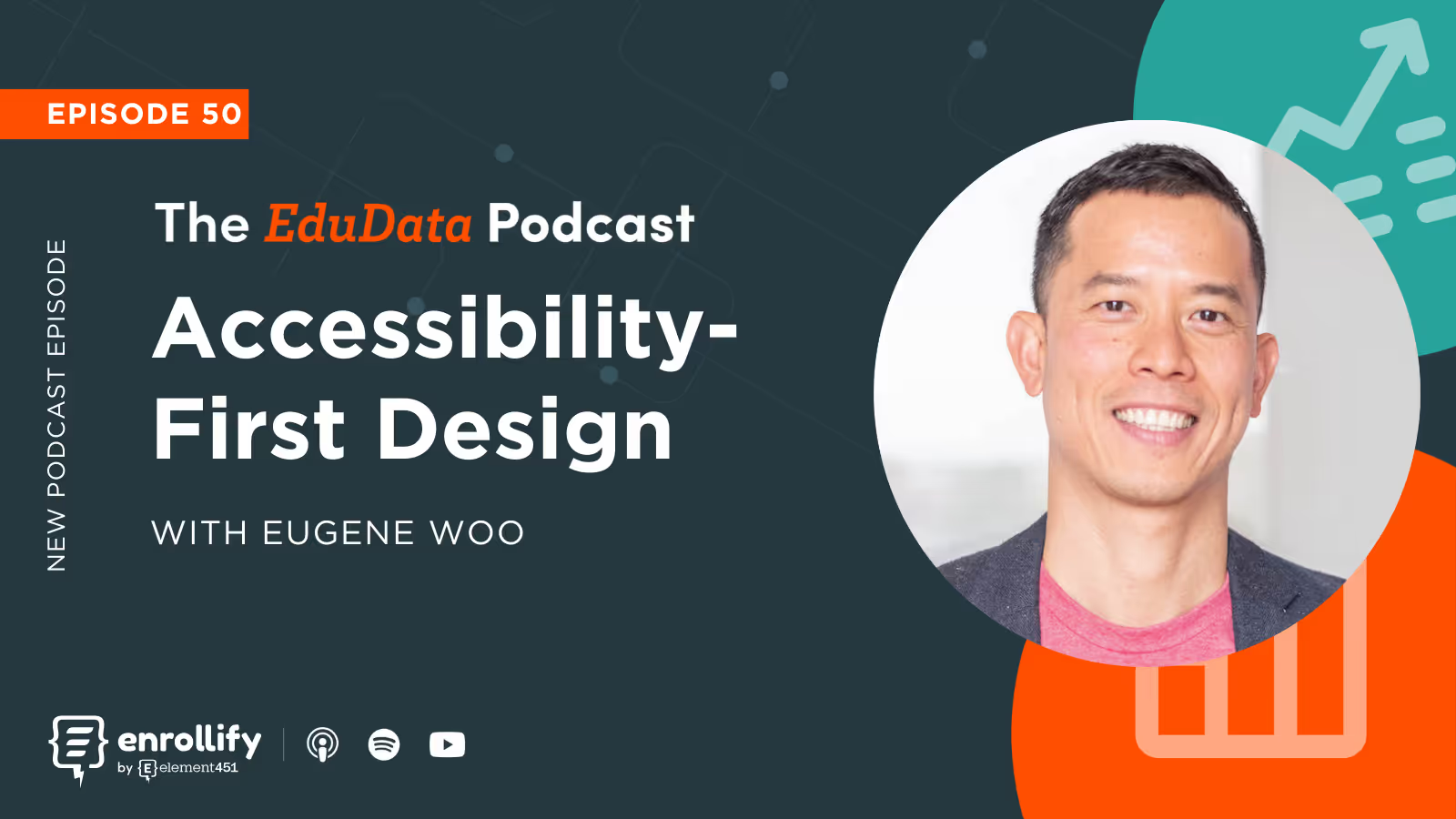
In this episode of the EduData Podcast, Timothy Davis speaks with Eugene Woo, CEO of Venngage, about the importance of accessibility in website and document design, and how higher ed pros can ensure their content can be consumed by everyone.
ADA Accessibility Fines Article
Key Takeaways
- Accessibility Affects Everyone: With 25% of U.S. adults experiencing some form of disability, accessibility is not a niche concern—it’s essential for inclusivity.
- Top Accessibility Barriers: Common issues include low color contrast, missing alt text, and improperly formatted forms and buttons.
- Proactive Accessibility Design: Shift accessibility checks to the start of the content creation process to avoid costly remediation.
- Use Accessibility Tools: Tools like Google Lighthouse, Wave, and Axe can help identify and address accessibility gaps.
- Deadlines Are Looming: By 2026, public institutions will need to meet ADA Title II requirements for accessible content and websites.
Episode Summary
Why Accessibility Matters in Higher Ed
Accessibility ensures that everyone—including individuals with disabilities—can interact with digital and physical content effectively. Eugene Woo emphasizes the widespread need for accessibility, highlighting that 15% of the global population and 25% of U.S. adults live with a disability. For higher education, inaccessible websites, forms, and documents can create significant barriers, excluding a vital segment of the population from critical information.
In academia, accessibility is often an afterthought, addressed only when institutions face lawsuits or compliance complaints. Yet, creating accessible content upfront isn’t just ethically sound—it saves time, reduces costs, and fosters inclusivity.
The Biggest Accessibility Barriers
- Low Color Contrast: Over 81% of web homepages fail to meet basic contrast requirements, making content unreadable for users with visual impairments.
- Missing Alt Text: Alt text describes images for screen readers, but over 50% of web pages lack sufficient alt text, leaving content inaccessible.
- Improper Form Labeling: Forms often lack proper input labels, preventing users from completing tasks like applying or enrolling.
- Non-Descriptive Links and Buttons: Labels like “Click Here” fail to convey meaning, especially for users relying on screen readers.
- Complex Language: Academic jargon and dense text exclude readers with lower literacy levels or cognitive disabilities.
How to Check and Improve Accessibility
Eugene outlines simple steps to assess and enhance content accessibility:
- Use Accessibility Checkers:
- Google Lighthouse: An easy-to-use browser extension offering accessibility scores and basic recommendations.
- Wave and Axe: More robust tools for WCAG compliance checks, identifying errors like missing alt text or navigation traps.
- Conduct Real-World Testing:
- Engage native screen reader users to uncover navigation issues and other barriers missed by automated tools.
- Simplify Language:
- Tools like Hemingway or AI platforms can rewrite complex text in plain language, ensuring clarity for a wider audience.
Proactive Accessibility with Venngage
Venngage has integrated accessibility into its design platform, enabling users to create accessible documents and infographics from the start. This “shift-left” approach eliminates the need for costly PDF remediation and ensures that handouts, flyers, and syllabi meet accessibility standards immediately.
Venngage's proactive tools are especially valuable as institutions face growing compliance pressures. By 2026, ADA Title II deadlines will require public institutions to ensure all student-facing content is accessible.
Connect With Our Co-Hosts:
About The Enrollify Podcast Network: The EduData Podcast is a part of the Enrollify Podcast Network. If you like this podcast, chances are you’ll like other Enrollify shows too!
Some of our favorites include Generation AI and The Higher Ed Geek.
Enrollify is produced by Element451 — the next-generation AI student engagement platform helping institutions create meaningful and personalized interactions with students. Learn more at element451.com.
Attend the 2025 Engage Summit!
The Engage Summit is the premier conference for forward-thinking leaders and practitioners dedicated to exploring the transformative power of AI in education.
Explore the strategies and tools to step into the next generation of student engagement, supercharged by AI. You'll leave ready to deliver the most personalized digital engagement experience every step of the way.
👉🏻 Register now to secure your spot in Charlotte, NC, on June 24-25, 2025! Early bird registration ends February 1st.



.svg)
.svg)
