






About the Episode
About The Episode:
CASE Resources:
- Federal Policy Tracker
- Alumni Engagement Metrics – report of findings from 2024 survey
- Framework for Brand and Reputation Metrics in Education
- Generative AI in Advancement
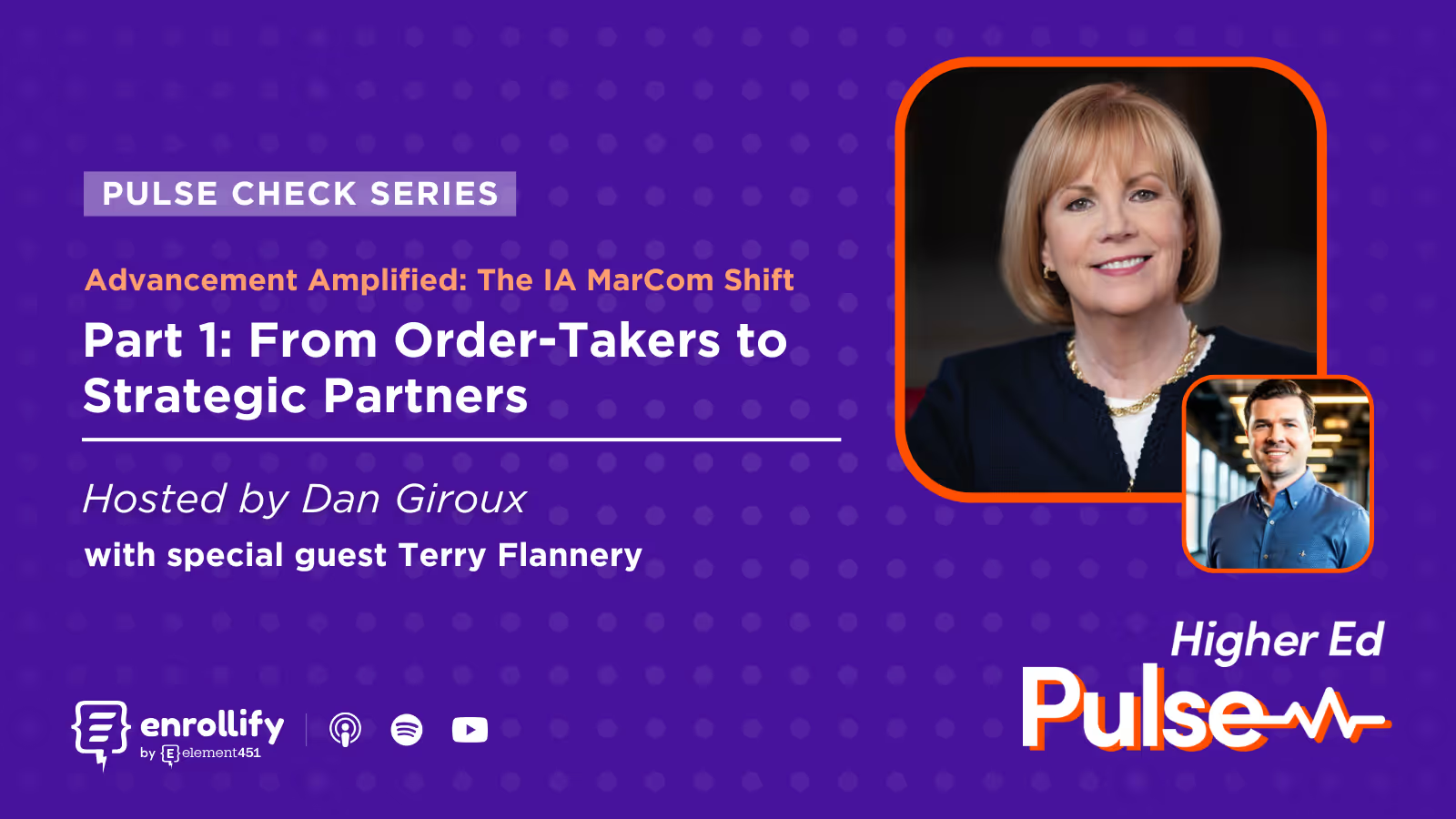
Dan Giroux sits down with higher ed marketing trailblazer Terry Flannery to explore how advancement marketing communications teams can break free from reactive, order-taking roles and step into their rightful place as strategic partners. With decades of experience leading marketing and communications at top universities and now as EVP and COO at CASE, Terry offers a 360-degree view on the myths, opportunities, and mindset shifts needed to maximize impact. From debunking the “press release as pizza order” mentality to cultivating trust with advancement leaders, this conversation is a must-listen for anyone seeking to elevate advancement MarCom strategy.
Key Takeaways
- Advancement MarCom is more critical than ever — marketing professionals offer a rare “wide view” of stakeholders that can inform strategic decision-making.
- Myths hold teams back — advancement leaders often misunderstand MarCom as just promotion rather than strategic brand stewardship and data-driven guidance.
- Trust is currency — influence grows when MarCom leaders build credibility through early collaboration, aligning with institutional priorities, and delivering on promises.
- Measure what matters — track and report on KPIs tied to reputation, relationships, and revenue, not just tactical outputs.
- Say no (strategically) — resist low-impact requests and guide colleagues toward more effective ways to achieve their goals.
- Partnerships pay off — invest in relationships with high-influence colleagues who can help radiate the value of MarCom across advancement.
Episode Summary
What’s the current state of advancement MarCom?
Terry Flannery describes the role as “never more important” in today’s challenging higher ed landscape. Marketing professionals bring a broad, data-informed perspective to leadership conversations, seeing across all stakeholder groups rather than focusing on one segment. This vantage point enables them to help institutions navigate change, shape perception, and leverage strategic opportunities that other leaders may miss.
What myths are holding advancement MarCom back?
A common misconception is that marketing is primarily about promotion — producing press releases, campaign slogans, and annual messaging changes. In reality, effective MarCom integrates brand strategy, audience insights, and long-term positioning to build institutional equity. Overcoming this myth means reframing MarCom as a partner in decision-making, not just message delivery.
How do misperceptions show up in daily work?
These misunderstandings often surface as tactical, last-minute requests — the “press release as pizza order” — where the ask comes without context or strategic alignment. Another example is constantly shifting core messages without regard for brand continuity. Both lead to wasted resources and missed opportunities to reinforce the institution’s strategic identity.
What’s the cost of these misunderstandings?
The biggest cost is opportunity. Without strategic integration, institutions fail to leverage existing investments and risk diluting brand equity. Campaigns, announcements, and initiatives that don’t connect to the broader brand platform miss the chance to amplify their impact.
Are expectations for MarCom shifting?
Yes — heightened political and public scrutiny of higher ed has pulled advancement MarCom teams into more complex, high-stakes communications, particularly crisis and issues management. Senior leaders increasingly recognize the need for MarCom expertise to navigate risk, manage perception, and engage donors and alumni as brand ambassadors.
How can teams start being seen as strategic partners?
MarCom leaders should “act like they’ve been there before” — showing up prepared to contribute to strategic decisions, not just communications tactics. This includes bringing relevant data, asking “beautiful questions” that spark curiosity, and positioning themselves as facilitators and collaborators.
Where should teams invest in relationship-building first?
Choose a partnership with someone whose influence can help radiate MarCom’s value across the advancement organization. Listen to their priorities, find ways to support them, and deliver results before asking for their help. This builds mutual trust and credibility.
What does healthy collaboration look like?
Strong partnerships begin early — aligning on institutional priorities and campaign timelines well before execution. This prevents resource conflicts, reduces reliance on outside vendors, and ensures messaging integrates with the brand strategy.
How should MarCom demonstrate impact?
Start with clear baseline measures tied to strategic goals — such as alumni engagement rates, donor participation, or reputation scores — and track them consistently. Share concise, periodic updates (monthly is ideal) that highlight progress, acknowledge challenges, and show alignment with institutional priorities.
What should teams stop doing right now?
Stop investing time in low-impact, perception-driven tasks — like press releases unlikely to get coverage — when other methods could achieve the intended outcome more effectively. Use these moments to reframe requests toward higher-value strategies.
What’s the mindset shift advancement leaders need?
Senior leaders should recognize MarCom as a driver of institutional value in three forms: revenue, reputation, and relationships. By engaging MarCom early and strategically, they can unlock greater support from stakeholders and amplify the success of advancement initiatives.
Enrollify is produced by Element451 — the next-generation AI student engagement platform helping institutions create meaningful and personalized interactions with students. Learn more at element451.com.






.svg)
.svg)
