






About the Episode
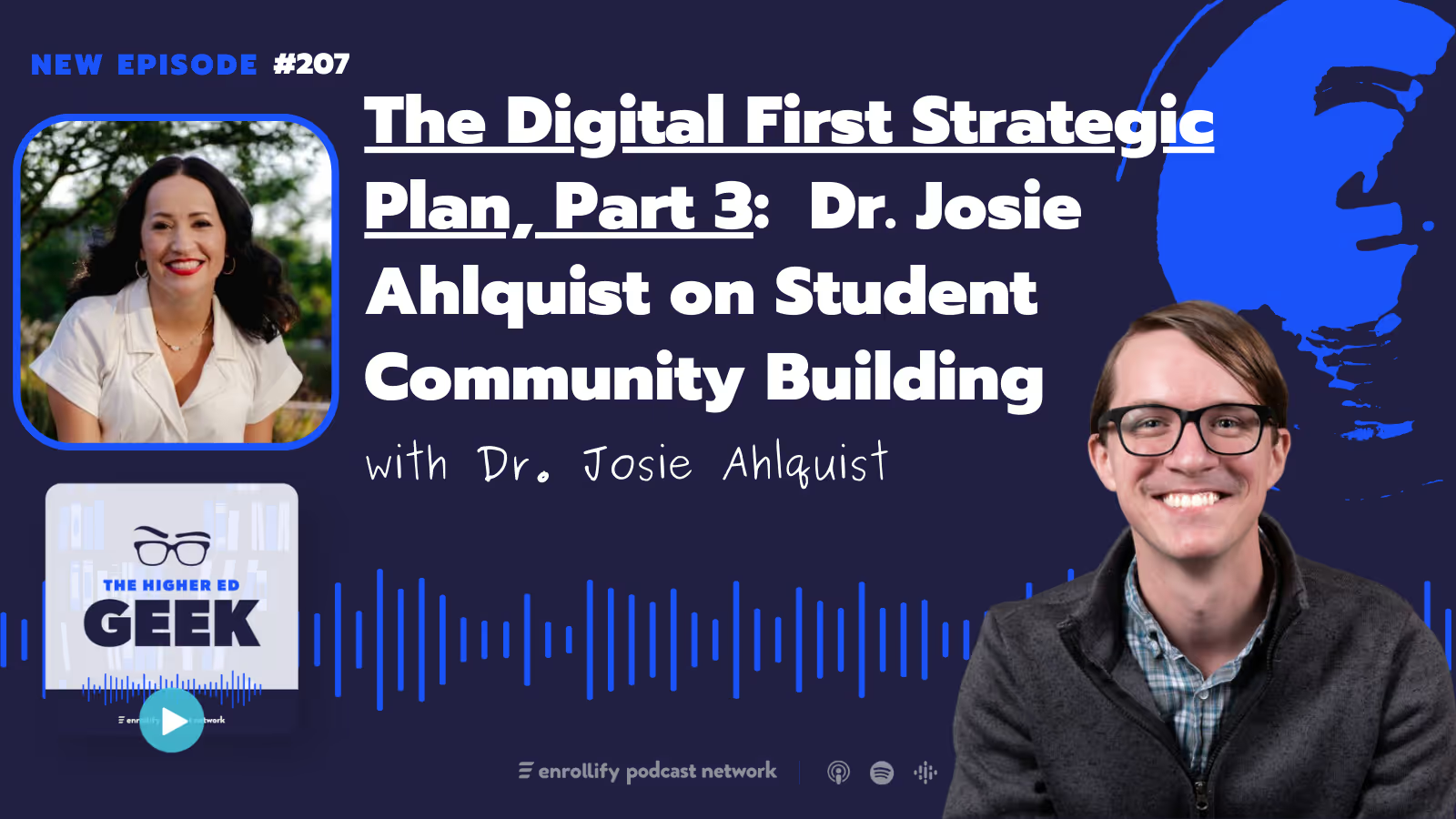
In the final episode of our three part series in partnership with Pathify, Dustin speaks with Josie to get her perspectives on how institutions can leverage digital tools to enhance their efforts building student community. They explore how to create engaging, personalized and relevant hubs of content to nurture high levels of adoption as well as how to manage digital sprawl.
Key Takeaways
- Belonging Drives Retention: Digital community-building tools help students feel connected, fostering a sense of belonging that is crucial for academic success and retention.
- Focus on the “Why” Before the Tool: Institutions must involve end-users—students, staff, and faculty—when planning digital tools to ensure they meet real needs and remove friction.
- Micro-Communities Sustain Engagement: Niche groups (e.g., commuter students, first-gen cohorts) within digital platforms foster deeper engagement and relevance for specific populations.
- Adoption is Key: Successful platforms rely on student word-of-mouth, influencer-style peer promotion, and intentional launch campaigns to drive adoption.
- Digital Transformation Requires Strategic Resources: Tools like Pathify centralize experiences, but leaders must prioritize staffing and long-term moderation for sustained impact.
Episode Summary
Why is digital community building essential in higher education today?
Josie Ahlquist emphasizes that belonging is foundational to student success and retention. Digital community-building tools—like student portals and mobile apps—offer unique opportunities to create spaces where students connect, share, and engage. However, Josie cautions against adopting tools for the sake of technology alone. Institutions must anchor their digital transformation in clear objectives, like fostering community, reducing friction, and enhancing the overall student experience.
When done well, digital platforms extend far beyond utility—they become central hubs for student life. Whether it’s sharing the campus event calendar, accessing peer-to-peer advice, or providing relevant updates tailored to commuter students or first-gen learners, tools like Pathify help institutions build an environment of care and connection.
How do leaders balance relevance and adoption when launching new tools?
Adoption is where many institutions stumble. Josie explains that digital tools must be relevant and engaging to drive usage. Institutions can learn from platforms like TikTok, where content is user-focused, highly personalized, and seamlessly delivered. For tools like a campus portal to succeed, institutions must:
- Identify hooks like campus calendars, reminders, or group hubs that meet immediate needs.
- Incentivize adoption through peer-to-peer influence, where students encourage their peers to engage with the platform.
- Avoid overloading digital spaces with irrelevant content—“flyers” or announcements that lack utility dilute the user experience.
Intentional promotion, supported by student ambassadors and influencers, ensures students adopt the platform and experience its value.
What role do micro-communities play in sustaining engagement?
One of Josie’s key insights is the importance of micro-communities within digital platforms. Broad-based groups (like class cohorts) often lose steam over time, whereas niche communities foster deeper and more consistent engagement. For example:
- Commuter Students: A hub featuring parking updates, gas price tips, and food ordering integrates the student experience with practical needs.
- First-Gen Students: Spaces offering tailored resources, faculty recommendations, and peer support create a culture of empowerment.
- New Employees: Digital communities can help staff and faculty connect, integrate, and collaborate seamlessly, fostering belonging among campus professionals.
By focusing on smaller, intentional communities, institutions can sustain long-term digital engagement and create spaces where students and staff feel seen, heard, and supported.
How does digital transformation support student retention?
When digital tools are intentionally designed and implemented, they directly impact student retention. Platforms that reduce friction—like helping students find parking, schedule advising appointments, or discover campus events—make it easier for students to focus on academic and social success.
Digital platforms also support peer-to-peer connections, enabling students to access advice, build relationships, and receive support. A connected campus, Josie explains, reflects the human side of higher education—caring for students as individuals and fostering communities that keep them engaged and thriving.
About the Enrollify Podcast Network
The Enrollify Podcast is a part of the Enrollify Podcast Network. If you like this podcast, chances are you’ll like other Enrollify shows too!
Our podcast network is growing by the month and we’ve got a plethora of marketing, admissions, and higher ed technology shows that are jam-packed with stories, ideas, and frameworks all designed to empower you to be a better higher ed professional.
Our shows feature a selection of the industry’s best as your hosts. Learn from Jaime Hunt, Allison Turcio, Corynn Myers, Dustin Ramsdell, Terry Flannery, Jaime Gleason and many more.
Learn more about The Enrollify Podcast Network at podcasts.enrollify.org. Our shows help higher ed marketers and admissions professionals find their next big idea — come and find yours!






.svg)
.svg)
