






About the Episode
Got a story to tell? An innovative idea to share? Fill out our guest nomination form and let's chat!
About the Episode:
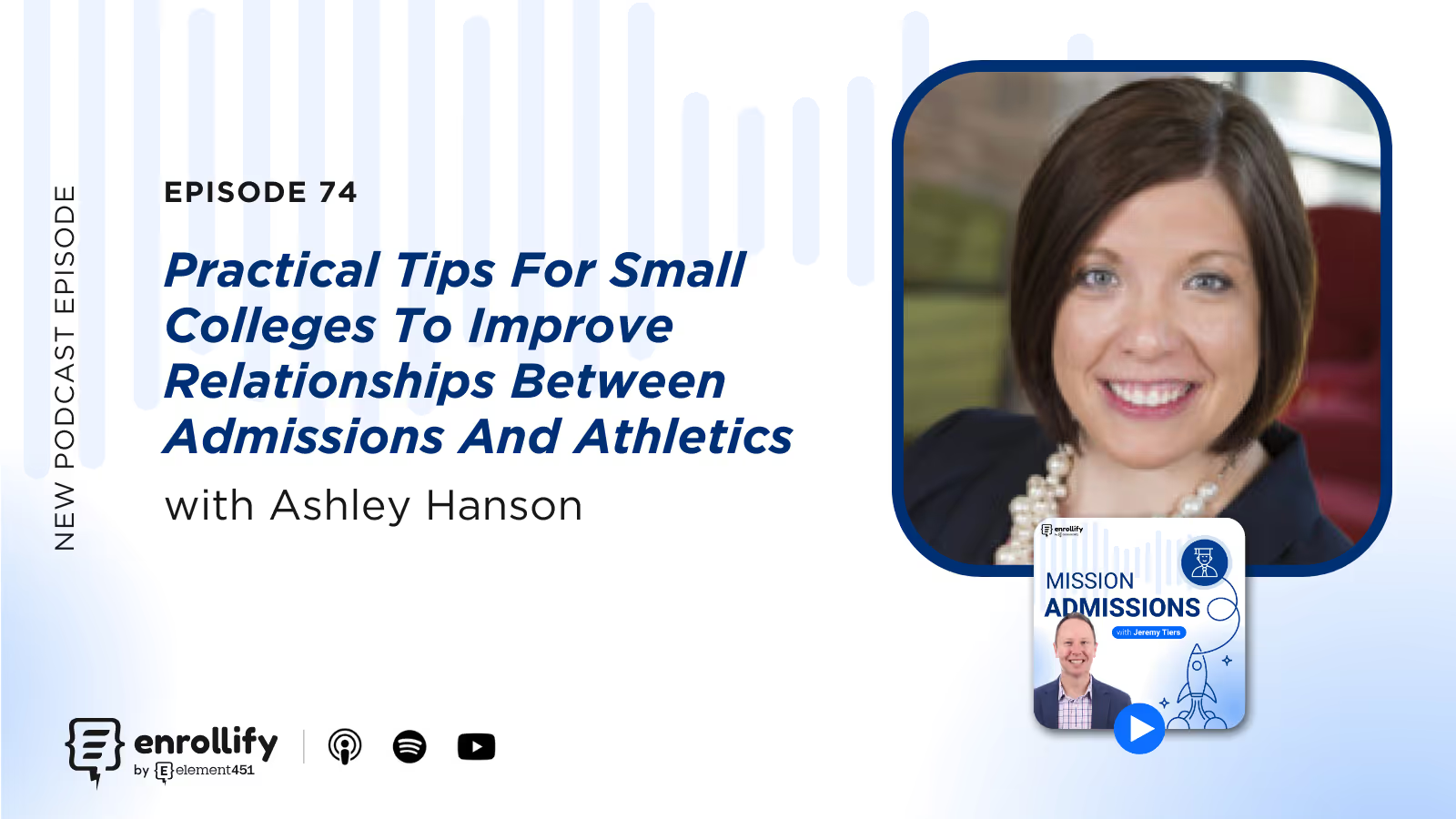
If 25% or more of your enrollment numbers each year are student athletes you need to hear this conversation between Mission Admissions host Jeremy Tiers and Ashley Hanson from Carthage College - a school that has increased its total enrollment by 9% over the past six years. Ashley talks about her relationship with their Athletic Director, the all-important campus visit structure for prospective student-athletes, what their communication flow looks like, and more.
Key Takeaways
- Collaboration between athletics and admissions is essential
Schools with a high percentage of student-athletes must foster intentional communication and shared goals across departments to avoid duplication and confusion in the recruitment process. - Student-athletes expect more than just athletics talk
Today's prospects are equally invested in academic opportunities, career pathways, and how athletics integrates with their academic journey. - CRM integration is a game-changer for recruitment
Carthage’s use of Slate in combination with ARI (Athletic Recruitment Intelligence) ensures real-time data sharing and reduces friction between coaches and admissions staff. - Campus visits are personalized and collaborative
Admissions sits down with every coach to understand how they prefer to manage visits, giving them autonomy while still maintaining admissions involvement in critical conversations about scholarships and ROI. - Carthage focuses on ROI and outcomes early
Through initiatives like the Aspire Center, Carthage begins career and outcomes conversations before a student even enrolls, differentiating itself in a crowded market. - Non-athlete enrollment has grown through intentional strategy
Carthage’s 9% enrollment growth over six years is due to clearly defined marketing strategies, early application timelines, and faculty engagement—not just athletic expansion.
Episode Summary: FAQ Style
What percentage of Carthage’s student body are athletes?
Roughly one-third of Carthage’s total student body are student-athletes. Of the 930 freshmen who enrolled in the fall, 399 were athletes spanning 28 sports, including e-sports.
How has recruiting student-athletes changed over the last decade?
In the past, athletic recruitment heavily centered on athletics alone. Now, student-athletes also prioritize academic fit, career readiness, and time management support. They want to know how they can balance rigorous majors like nursing with their athletic commitments.
What role does the athletic director play in recruitment at Carthage?
A significant one. AD Ryan Kane meets bi-weekly with admissions leadership and communicates frequently to align team roster goals with the institution’s enrollment objectives. Coaches are also expected to help meet broader institutional goals—not just fill rosters.
How do admissions and athletics manage CRM integration?
Carthage uses Slate for admissions and ARI for athletic recruitment, with the two systems integrated to share data seamlessly. Coaches input prospects into ARI, which automatically feeds into Slate, kicking off relevant communications and tracking progress without redundancy.
How are campus visits structured for student-athletes?
Admissions leadership personally meets with each new coach to understand their visit preferences. Some coaches manage the entire visit, while others rely heavily on admissions to handle tours and scholarship conversations. The flexibility ensures every visit feels personal and intentional.
What strategies help avoid siloed communication between athletics and admissions?
Weekly data reports, shared recruitment goals, and cross-departmental transparency are foundational. Ashley emphasizes the importance of acknowledging friction but using it constructively to push collaboration and accountability.
What role does data play in Carthage’s enrollment strategy?
A big one. Weekly reports are shared campus-wide, not just within athletics. These include application and deposit data down to the inquiry level, helping every department see how they’re contributing to larger institutional goals.
What has Carthage done to increase non-athlete enrollment?
Ashley credits several strategies, including early application openings (June 1), consistent faculty engagement, the Aspire Center (focused on career readiness from day one), and intentional marketing centered on outcomes and ROI.
What advice does Ashley give for admissions leaders looking to improve collaboration with athletics?
Start by listening. Sit down with coaches and ask how they recruit, what works for them, and what they need. Showing empathy and being proactive about support—like attending games or offering tailored visit help—builds trust and breaks down silos.
How does Carthage market outcomes and ROI to prospective students?
Through the Aspire Center, Carthage connects incoming students with career specialists even before enrollment. These specialists offer major- and industry-specific advice, helping students see a clear career path from the beginning of their college journey.
Connect With Our Host:
Jeremy Tiers
https://twitter.com/CoachTiers
Register for the AI Engage Summit — Oct 15–16, 2025
👉 Join us online from 12–4 PM ET each day for two afternoons of AI insights and training. Free to attend with on-demand access included. Register now.







.svg)
.svg)
