






About the Episode
Got a story to tell? An innovative idea to share? Fill out our guest nomination form and let's chat!
About the Episode:
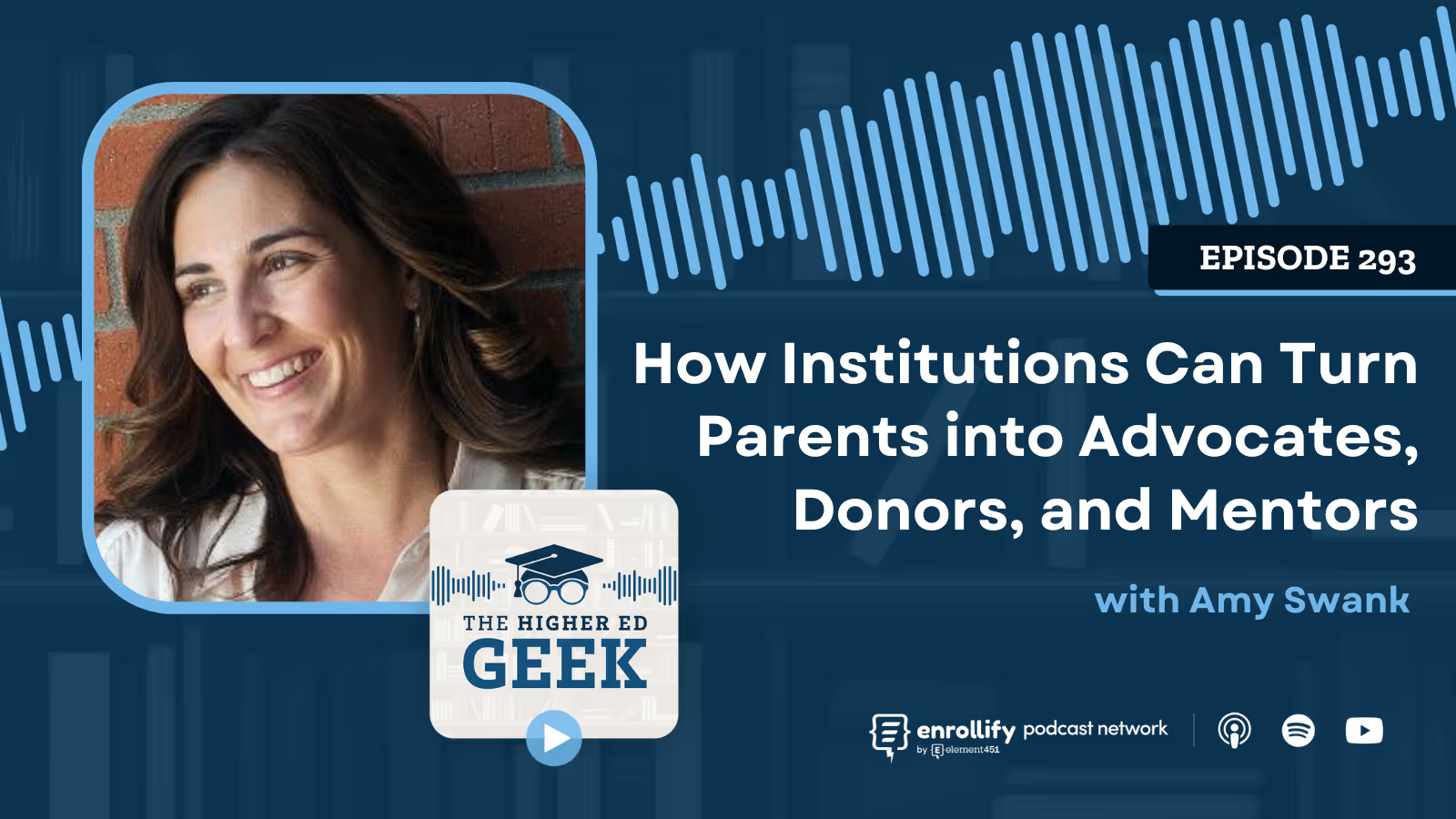
Amy Swank, Executive Director of Parent and Family Programs at the University of Oregon, joins Dustin to unpack the transformative potential of family engagement in higher ed. Drawing on two decades of experience and her work with CampusESP and AHEPPP, Amy shares how institutions can strategically cultivate meaningful, lifelong relationships with parents and families—not just for student support, but to boost philanthropy, increase retention, and foster belonging.
Key Takeaways
- Parents and families are untapped allies — They are among the most invested stakeholders in higher education and can be powerful advocates, donors, mentors, and partners when engaged strategically.
- Normalize philanthropy from day one — Introduce a culture of giving early in the student journey through clear, transparent communication and stories of impact.
- Belonging builds trust — and trust drives giving — Creating an authentic sense of connection for families leads to more consistent and generous contributions of time, talent, and resources.
- Personalization is critical — Leverage tools like CampusESP to tailor outreach based on family interests, student involvement, and communication preferences.
- Avoid the “afterthought” trap — Family engagement should be a strategic, integrated function across advancement, enrollment, and student life, not just an event-based hospitality effort.
- Think beyond graduation — Continued outreach to parents after their student graduates can sustain philanthropic support and strengthen alumni networks.
Episode Summary
How do parents and families influence student success?
Amy emphasizes that families arrive on campus with a deep history of supporting their student — often through years of fundraising, volunteering, and advocacy in K-12. This involvement doesn’t end when their child starts college. Instead, it can be channeled into institutional priorities that benefit all students. Families can provide financial support, serve as mentors, connect students to job opportunities, and help strengthen the institution’s reputation — all of which directly and indirectly support student success.
How can institutions inspire family philanthropy?
The key is to normalize giving as part of the institutional culture from the moment families engage with admissions. Amy recommends frequent, purposeful communication that showcases impact and invites families to contribute in ways aligned with their passions — whether athletics, academic programs, or student life initiatives. Sharing authentic donor stories and making the link between giving and tangible student outcomes helps shift the mindset from “I’m helping my student” to “I’m helping our community.”
What communication methods work best for engaging families?
No single channel works for everyone — which is why multi-modal outreach is essential. Email remains a workhorse for most institutions, but text messaging and social media are increasingly effective for quick updates and event reminders. Personalized event invitations, tailored newsletters, and targeted portal content help deepen the connection. Amy stresses the importance of meeting families where they are, both in terms of preferred communication style and in the areas of campus life that resonate most with them.
What are the biggest pitfalls institutions should avoid?
The most common mistake is treating families as visitors or afterthoughts rather than as strategic partners. This leads to missed opportunities for connection, philanthropy, and advocacy. Another pitfall is assuming families understand how to engage with a university — even those who are alumni themselves may not know the culture, traditions, or structures of your specific institution. Finally, some schools make the error of disengaging after graduation; Amy argues that post-graduation outreach can keep families connected as donors and champions.
How can technology support better family engagement?
Platforms like CampusESP help institutions deliver personalized communication at scale, segment audiences based on interests, and track engagement data. This allows for targeted appeals, customized event invitations, and relevant storytelling that align with each family’s relationship to the institution. For Amy, technology is an enabler of high-touch experiences that build trust and loyalty.
About the Show: The Higher Ed Geek Podcast explores the impact of edtech on the student experience by speaking with diverse leaders from institutions, companies, and nonprofit organizations. Each week we aim to provide an engaging, fun, and relevant dose of professional development that honors the wide range of work happening all across the higher ed ecosystem. Come geek out with us! The Higher Ed Geek Podcast is hosted by Dustin Ramsdell and is a proud member of the Enrollify Podcast Network.
Connect With Our Host:
Dustin Ramsdell
About The Enrollify Podcast Network:
The Higher Ed Geek is a part of the Enrollify Podcast Network. If you like this podcast, chances are you’ll like other Enrollify shows too!
Some of our favorites include Generation AI.
Enrollify is produced by Element451 — the next-generation AI student engagement platform helping institutions create meaningful and personalized interactions with students. Learn more at element451.com.




.svg)
.svg)
