


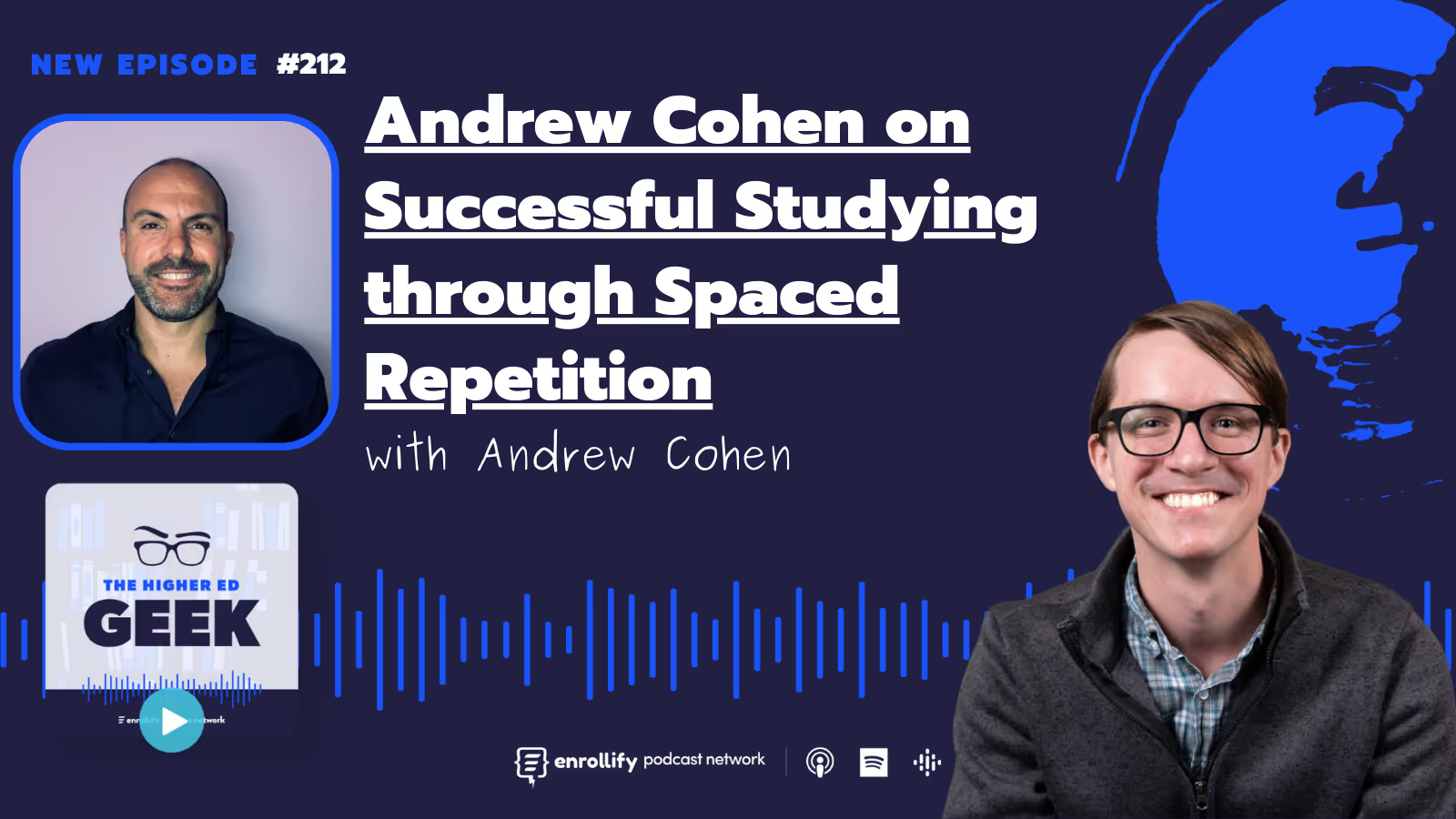




About the Episode
We’re pleased to welcome Andrew from Brainscape to the show this week to expand our horizons into how institutions can best support student study habits. Andrew explains the premise of spaced repetition and how this tactic can elevate comprehension for a wide variety of concepts and skills.
Key Takeaways
- Cognitive Science Principles Drive Efficient Learning: Concepts like spaced repetition, active recall, and metacognition optimize retention and study habits.
- Study Smarter, Not Harder: Tools like Brainscape help students break down complex knowledge into manageable, bite-sized pieces, improving long-term retention without cramming.
- Adaptive Learning for Modern Students: Personalization and mobile-first platforms support busy learners, especially adult students, caregivers, and working professionals.
- Bridging K-12 to Higher Ed: Instilling strong study habits early prepares students for the self-directed learning required in college and beyond.
- Versatile Learning Tools: Flashcards can support everything from professional certifications to personal development, trivia, or foreign language acquisition.
Episode Summary
What is Brainscape and how does it transform learning?
Brainscape is an adaptive web and mobile platform that enhances studying through personalized flashcards powered by cognitive science. Unlike traditional study methods, Brainscape optimizes learning by using:
- Active Recall: Encouraging learners to actively retrieve knowledge to strengthen memory.
- Spaced Repetition: Showing difficult concepts more frequently while reviewing easier material less often.
- Metacognition: Encouraging learners to assess their confidence and monitor their progress for targeted improvement.
This approach helps learners study efficiently in short, focused sessions, turning idle moments—like waiting for a friend or riding the bus—into productive study opportunities.
Why do study habits matter, and how can Brainscape bridge K-12 and higher education?
The shift from K-12 to higher education demands greater self-discipline and time management from students. While K-12 classrooms offer structure, college learning often relies on self-directed habits—something many students struggle with. Andrew emphasizes:
- Tools like Brainscape help instill lifelong study habits by encouraging consistent, bite-sized learning.
- Students who adopt efficient habits early are better equipped to handle the memorization-intensive coursework of fields like medicine, law, and STEM.
- Teachers and professors can collaborate with students to create shared flashcard sets, fostering peer learning and participation.
Brainscape's adaptability ensures that learning doesn’t stop after college. It seamlessly transitions into professional training, corporate education, and personal growth goals, serving as a lifelong learning companion.
What makes this approach critical in today’s education landscape?
The demands on modern learners—whether they’re working professionals, caregivers, or traditional students—require learning tools that maximize efficiency. With information overload and limited study time, students need methods that prioritize:
- Convenience: Mobile-first platforms allow students to study anywhere, anytime.
- Retention: Bite-sized, spaced learning ensures knowledge sticks rather than evaporating after an exam.
- Motivation: Progress tracking, streaks, and gamified features encourage consistency and reduce procrastination.
As Andrew points out, the increasing body of knowledge in every field makes efficient learning essential. While tools like Google exist for reference, true understanding and problem-solving require internalized knowledge—a foundation that only deliberate, spaced practice can provide.
Empowering Students to Study Efficiently and Succeed
Brainscape and tools like it are not just about studying; they’re about transforming how students learn and retain information. By encouraging consistent, cognitive-science-backed study habits, institutions can equip students with the tools they need to thrive. Faculty, advisors, and student success teams can adopt strategies like:
- Creating shared flashcard sets for courses.
- Encouraging students to adopt daily study streaks.
- Providing tools that make studying convenient, engaging, and measurable.
Brainscape exemplifies how adaptive, efficient study tools can empower modern learners to succeed—not just in exams, but in their careers and lifelong learning journeys.






.svg)
.svg)
