






About the Episode
Got a story to tell? An innovative idea to share? Fill out our guest nomination form and let's chat!
About the Episode:
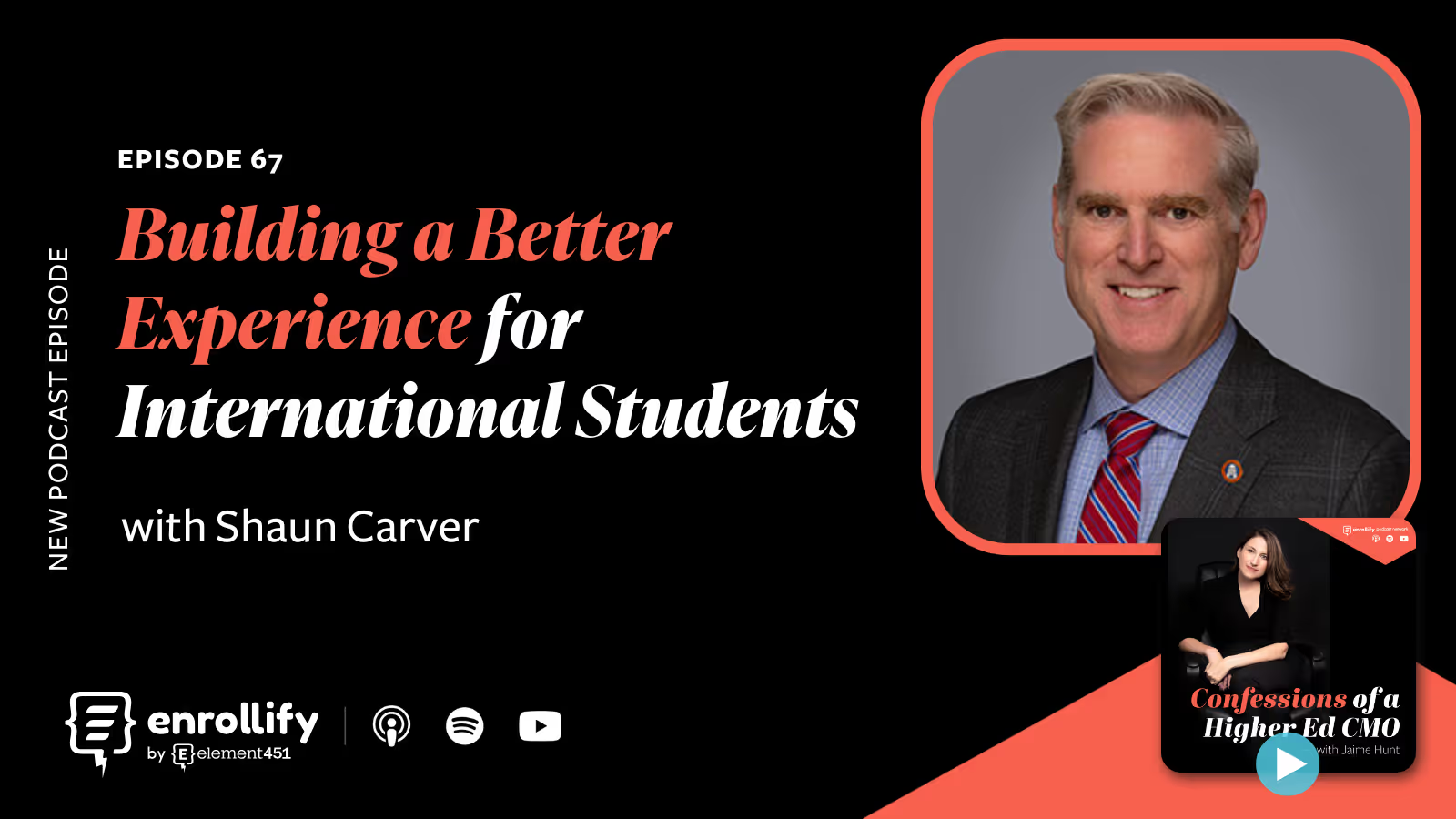
Host Jaime Hunt speaks with Shaun Carver, the Executive Director and Chief Executive Officer of the International House at the University of California, Berkeley, about the challenges, opportunities, and strategies for better supporting international students in higher education. The discussion sheds light on the cultural and economic benefits international students bring, the need to foster inclusivity and free speech, and how universities can adapt to societal and political changes to create a more welcoming environment.
Key Takeaways
- International students enrich learning environments: They bring unique perspectives that foster cultural understanding and prepare students for a globalized workforce.
- Political rhetoric impacts enrollment: Even without formal policy changes, unwelcoming political climates can deter international students from applying.
- Free speech and inclusivity matter: Universities should ensure students feel safe expressing differing viewpoints and engaging in civil discourse.
- Diverse support systems are essential: Institutions must focus on cultural exposure, community-building, and access to essential services for international students.
- A growth mindset fosters innovation: Encouraging students to step outside their comfort zones promotes intellectual curiosity and global leadership skills.
Why Are International Students Important to Higher Education?
International students bring a wealth of diversity to higher education, enriching campus communities with their perspectives, experiences, and cultural backgrounds. Shaun Carver emphasizes their vital role in fostering a global learning environment that prepares students for interconnected, multicultural workplaces.
Beyond academics, international students significantly contribute to local economies. From tuition payments to housing and daily living expenses, their economic impact extends beyond campus boundaries. Shaun also highlights how many international students go on to lead innovative startups and global companies, particularly in Silicon Valley, underscoring the long-term benefits of their presence in the U.S.
Despite these benefits, political rhetoric and visa uncertainties can deter international students, forcing institutions to miss out on their transformative contributions. Universities must address these concerns proactively to remain competitive on the global stage.
How Can Universities Create Welcoming Environments?
Creating an inclusive and supportive environment for international students requires deliberate effort. Shaun outlines three key strategies:
1. Cultivating Free Speech
Universities should encourage environments where all students feel comfortable expressing their viewpoints. At the International House at the University of California, Berkeley, 80% of residents feel free to share minority views without fear of judgment, serving as a model for fostering civil discourse on campus.
2. Building Community
Programs like the International House’s weekly diversity and coffee hour allow students to share their cultures through food, music, and storytelling. These events not only build a sense of belonging but also foster cross-cultural understanding among students from different backgrounds.
3. Providing Practical Support
While universities may not handle visa or employment processes directly, they can offer workshops, mentorship programs, and community events to help international students navigate their new environment. Ensuring that students feel supported in both practical and personal aspects is key to their success.
What Challenges Do International Students Face?
International students often face unique obstacles, including navigating visa regulations, overcoming cultural barriers, and coping with homesickness. Shaun recounts stories of students who, despite immense financial and emotional pressures, strive to succeed in the U.S. education system.
For many, even basic needs like food can become a challenge. Shaun shares how implementing inclusive dining options at the International House, like dishes from various global cuisines, helps students feel more at home. These small yet impactful gestures can make a significant difference in a student’s overall experience.
Additionally, divisive campus climates can make international students feel unwelcome. Institutions must work to ensure their campuses are places where students of all backgrounds feel safe, valued, and supported.
What Can Universities Learn from the International House?
For over a century, the International House has been a leader in creating inclusive, multicultural communities. Its model of hyper-diversity—housing students from over 80 nationalities under one roof—offers a blueprint for fostering cross-cultural connections. Shaun attributes the success of the International House to:
- Encouraging Growth: Students are challenged to step out of their comfort zones and engage with others who have vastly different experiences and viewpoints.
- Promoting Civil Discourse: Creating spaces where students feel free to express their beliefs fosters open-mindedness and intellectual humility.
- Sharing Best Practices: By collaborating with other universities, the International House seeks to expand its model to campuses worldwide, addressing the growing need for inclusive and globalized educational environments.
Looking Ahead: The Role of International Students in a Globalized World
As higher education continues to globalize, institutions must actively work to support international students. Shaun emphasizes the need for universities to rebrand themselves as inclusive and welcoming spaces. Beyond rhetoric, this requires actionable steps to build communities where diverse viewpoints thrive.
International students not only enrich the institutions they attend but also contribute to society and the global workforce in profound ways. Their courage and resilience in pursuing education abroad inspire us all, and their success benefits everyone.
To hear this interview and many more like it, subscribe on Apple Podcasts, Spotify, or our website, or search for Confessions of a Higher Ed CMO in your favorite podcast player.
Connect With Our Host:
Jaime Hunt
https://twitter.com/JaimeHuntIMC
About The Enrollify Podcast Network:
Confessions of a Higher Ed CMO is a part of the Enrollify Podcast Network. If you like this podcast, chances are you’ll like other Enrollify shows too!
Some of our favorites include Talking Tactics and Higher Ed Pulse.
Enrollify is produced by Element451 — the next-generation AI student engagement platform helping institutions create meaningful and personalized interactions with students. Learn more at element451.com.
Attend the 2025 Engage Summit!
The Engage Summit is the premier conference for forward-thinking leaders and practitioners dedicated to exploring the transformative power of AI in education.
Explore the strategies and tools to step into the next generation of student engagement, supercharged by AI. You'll leave ready to deliver the most personalized digital engagement experience every step of the way.
👉🏻 Register now to secure your spot in Charlotte, NC, on June 24-25, 2025! Early bird registration ends February 1st.






.svg)
.svg)
