


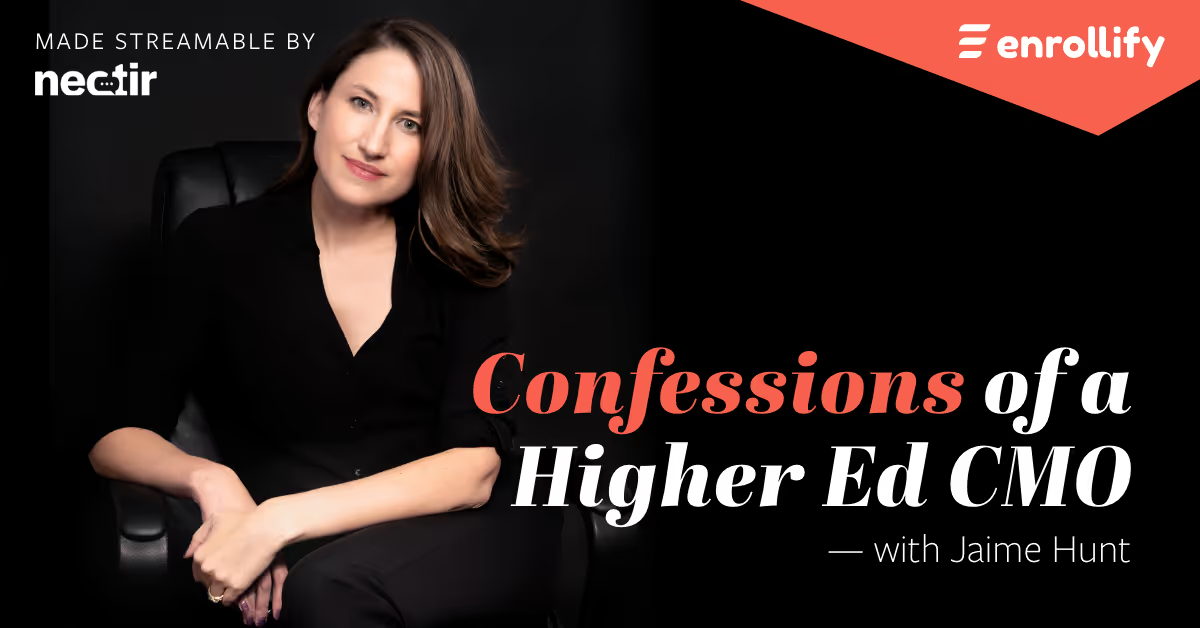




About the Episode
In this episode, Jaime talks with Kevin McClure, associate professor of higher education at UNC Wilmington, about how The Great Resignation has hit higher education. Problems around morale pre-exist the pandemic, but the pressures of COVID-19 have caused many people to reconsider their careers and their work-life balance. Retaining talented team staff while competing with fully remote jobs is one of the top challenges facing higher ed CMOs in the new abnormal. In this episode, Jaime and Kevin discuss:
- What is causing people to change careers and leave higher education
- How to address those challenges and retain talented team members
- The impact of COVID-19 on employee engagement and community
- How to unpack assumptions around remote and hybrid work and develop stronger strategies to keep team members engaged
- Ways to improve workplace culture
- The importance of actions aligning with values
In this wide-ranging conversation, Jaime and Kevin also talk about the enrollment cliff, non-traditional student recruitment, and lessons learned from the pandemic about online education.
Episode Summary
What Contributes to Burnout and Staff Turnover in Higher Education?
Jaime Hunt and Kevin McClure discuss a concerning trend in higher education: an exodus of employees, many of whom are seeking better pay, remote flexibility, or relief from burnout. McClure points to persistent under-compensation, unrealistic expectations, and the stresses amplified by the pandemic as main drivers of this trend. Higher ed leaders are facing a growing challenge to retain talent, especially when private sector roles offer significant salary increases and the option to work remotely.
McClure recommends that leaders assess how they advocate for employees, ensure transparent communication, and seek regular input through exit interviews or satisfaction surveys. He also advises that leaders recognize the toll the pandemic has taken on employees and strive to build a culture that values well-being and flexibility.
How Can Higher Ed Institutions Adapt to the “Future of Work”?
As many institutions grapple with employee expectations for remote or hybrid work, McClure emphasizes the value of workplace flexibility. Many higher ed professionals appreciate the option to work remotely a few days a week, especially for tasks that don’t require in-person interaction. Flexibility is a key factor for increasing workplace equity and supporting those who may have disabilities or caregiving responsibilities.
McClure encourages leaders to challenge assumptions about remote work, emphasizing that it’s more than a temporary solution but a strategic shift to attract and retain talent. Instituting a balanced approach, such as regular in-person days to foster community while supporting remote work flexibility, can help institutions adapt to the evolving expectations of their workforce.
Why is the “Demographic Cliff” a Manufactured Crisis?
McClure critiques the narrative surrounding the “demographic cliff,” which suggests that colleges face a crisis due to declining numbers of traditional college-aged students. He argues that this crisis is somewhat self-imposed, as many institutions have chosen to compete intensely for a narrow segment of students rather than expand access to underserved populations. He believes higher ed institutions can overcome enrollment challenges by focusing on adult learners, degree completers, and underserved communities.
A shift toward inclusivity, offering degree completion options, and supporting diverse student groups can mitigate the impact of demographic changes and reduce the focus on enrollment competition. McClure urges leaders to take a collaborative, student-centered approach that reflects the values of public service and inclusivity inherent to higher education.
Confessions of a Higher Ed CMO is sponsored by our friends at Nectir - the instant chat tool that engages campus communities and reduces burnout. This community and engagement platform is purpose-built for higher education and connects campus classrooms through conversation. In just 12 months, tens of thousands of students, instructors, and administrators at partner campuses have made Nectir an integral part of their daily learning experience. Learn more about how you can get Nectir on your campus here.
Confessions of a Higher Ed CMO is a part of the Enrollify Podcast Network. If you like this podcast, chances are you’ll like other Enrollify shows too!
Our podcast network is growing by the month and we’ve got a plethora of marketing, admissions, and higher ed technology shows that are jam packed with stories, ideas, and frameworks all designed to empower you to be a better higher ed professional. Our shows feature a selection of the industry’s best as your hosts. Learn from Mickey Baines, Zach Busekrus, Jeremy Tiers, Corynn Myers, Jaime Gleason and many more.
Learn more about The Enrollify Podcast Network at podcasts.enrollify.org. Our shows help higher ed marketers and admissions professionals find their next big idea — come and find yours!






.svg)
.svg)
