






About the Episode
Got a story to tell? An innovative idea to share? Fill out our guest nomination form and let's chat!
About the Episode:
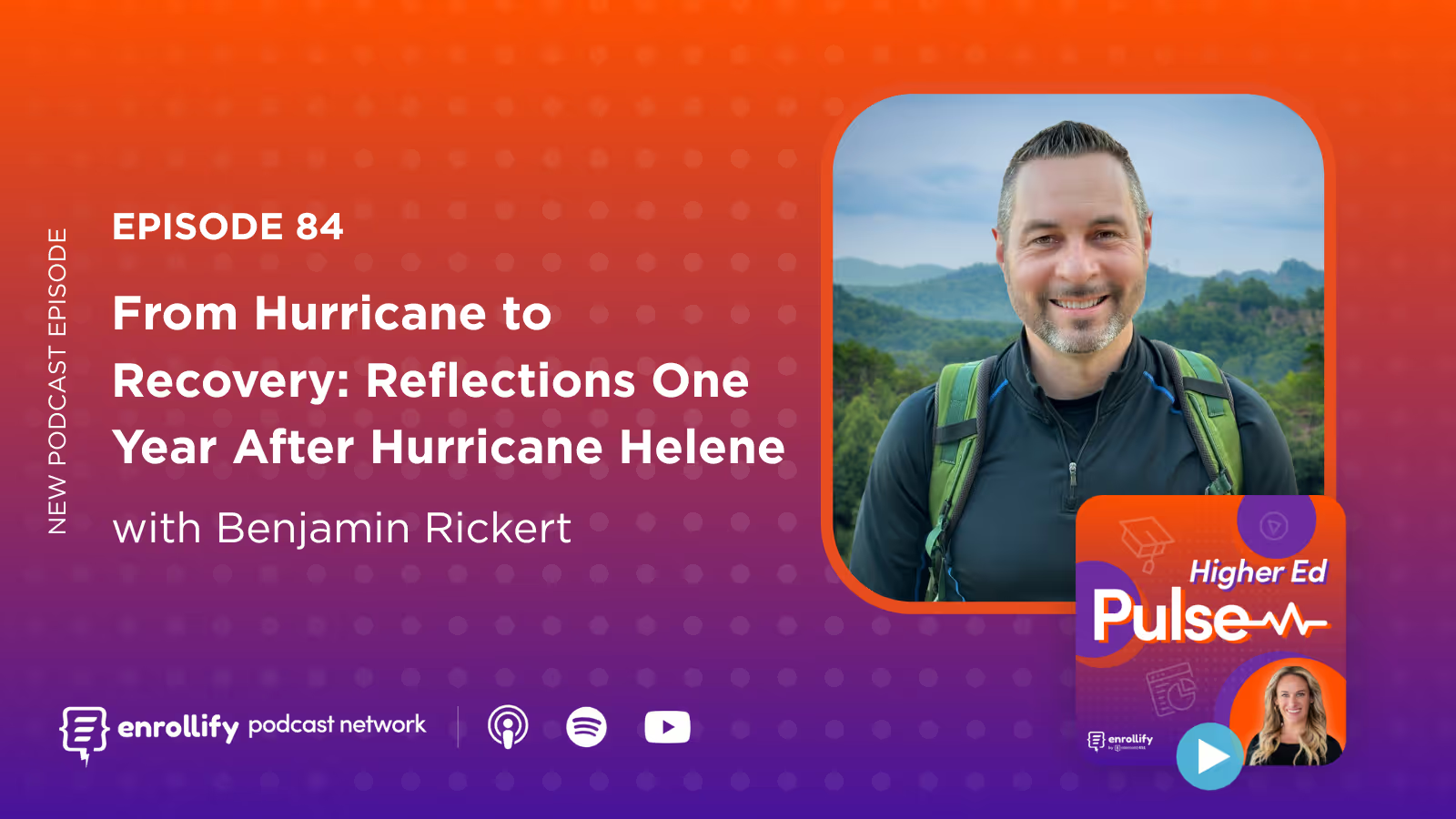
Mallory Willsea sits down with Benjamin Rickert, a higher ed communications leader, to explore what it truly means to serve students during a crisis. They reflect on the emotional and logistical challenges institutions face during natural disasters — and how a single, well-timed message can change the course of a student's life. This episode offers a powerful reminder of the human impact behind emergency communication in higher education.
Key Takeaways
- Crisis communication is student success work — timely, compassionate outreach can have life-changing consequences.
- Institutions must prepare to meet basic needs in moments of chaos: food, water, shelter, and emotional reassurance.
- Respecting students' privacy during crises is essential — real stories emerge only after trust and safety are restored.
- Emergency messaging isn’t just about logistics — it’s about dignity, empathy, and showing up when it matters most.
- Colleges can be literal lifelines, especially in rural or underserved areas affected by natural disasters.
Episode Summary: How Does Crisis Communication Impact Student Success?
Why is student privacy critical in disaster response?
During the episode, Mallory and Ben emphasize that asking students to immediately share their stories during a crisis can feel intrusive. As Ben explains, many students are still processing what just happened — or are simply focused on surviving. The stories that matter often come out weeks or months later, when individuals have regained a sense of stability and safety. Institutions need to build trust first, without expectation of public storytelling.
Respect for privacy isn’t just ethical — it’s strategic. Students need time to heal, and if colleges rush to collect testimonials for impact reports or media, they risk further trauma. This episode urges communicators to prioritize support over storytelling in the immediate aftermath of a crisis.
Ben’s insights challenge enrollment marketers and comms teams to think deeply about how and when they engage students post-disaster — especially if their efforts are being driven by donor communications or PR pressures. The key? Lead with empathy, and let the stories surface naturally.
What does a real-life emergency look like for students?
One of the most powerful moments in the episode comes when Ben shares the story of Stephanie, a student and mother of five, including an infant. After a storm devastated their rural community, Stephanie and her family were trapped atop a mountain — their driveway washed out, their food spoiled, and communication cut off.
With no other option, Stephanie and her partner used a chainsaw to cut their way down the mountain. Why? Because her baby needed formula. Her children needed help. And she wasn’t going to wait for someone else to rescue them. This is what parental love looks like under pressure — and it’s a stunning example of student resilience.
After days without contact, Stephanie received a single text message — from Ben. It said that the college had supplies available: food, water, baby care essentials. That message was more than information — it was hope. It set in motion the beginning of her recovery and her family’s survival. And it came from her college.
What role should colleges play in disaster relief?
This episode drives home a hard truth: colleges are community anchors, especially in rural areas. They’re not just academic institutions — they are hubs for safety, support, and human connection. When systems break down during emergencies, students often turn to their colleges as first responders.
Ben and Mallory explore how institutions can proactively prepare for this responsibility. That includes having resource centers stocked with essentials, crisis comms plans that center equity and access, and staff who understand how to respond with care, not just protocol. As Ben puts it, the message isn’t “we’re closed until further notice” — it’s “we’re here, and we’ve got what you need.”
Higher education marketers may not always see themselves as crisis responders, but this conversation challenges that assumption. Communication during a crisis isn’t just about updates — it’s about saving lives. And sometimes, it’s your text that makes all the difference.
Connect With Our Host:
Mallory Willsea
https://www.linkedin.com/in/mallorywillsea/
https://twitter.com/mallorywillsea
About The Enrollify Podcast Network: The Higher Ed Pulse is a part of the Enrollify Podcast Network. If you like this podcast, chances are you’ll like other Enrollify shows too!
Some of our favorites include Generation AI and Confessions of a Higher Education Social Media Manager.
Enrollify is produced by Element451 — the next-generation AI student engagement platform helping institutions create meaningful and personalized interactions with students. Learn more at element451.com.
Register for the AI Engage Summit — Oct 15–16, 2025
👉 Join us online from 12–4 PM ET each day for two afternoons of AI insights and training. Free to attend with on-demand access included. Register now.






.svg)
.svg)
